










Work Positioning Belts: Uses, Selection, and Safety Checks
Working with both hands requires stable support. A work positioning belt, used as part of a properly selected and configured positioning system, helps support a worker at the work location while keeping their hands available for the task.
Choosing the right belt starts with understanding its purpose, checking compatibility with the rest of the system, and knowing its limitations.
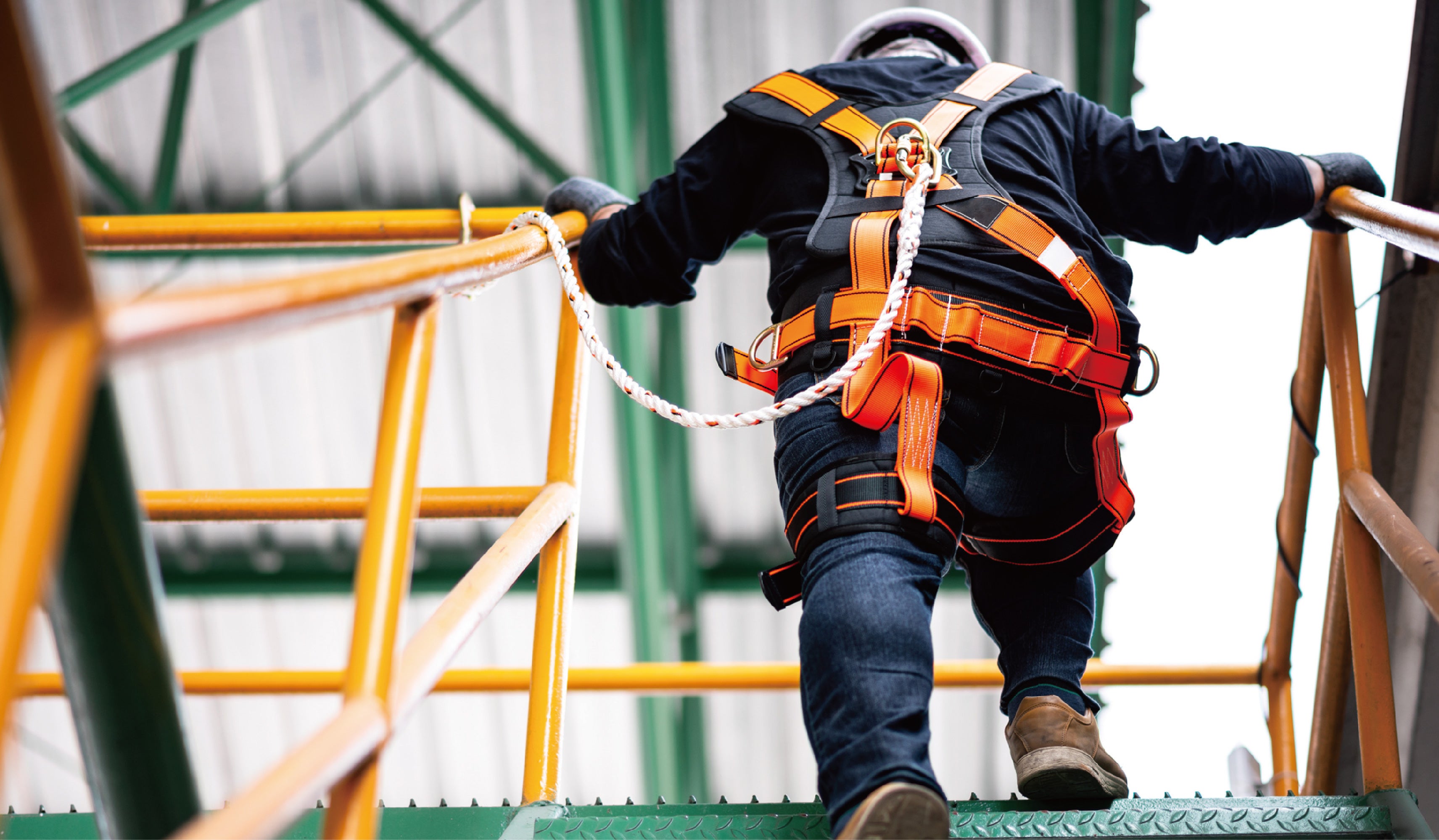
A positioning belt must not be used for personal fall arrest. Where personal fall arrest is required, workers need an appropriate full-body harness and compatible fall-arrest equipment.
What Is a Work Positioning Belt?
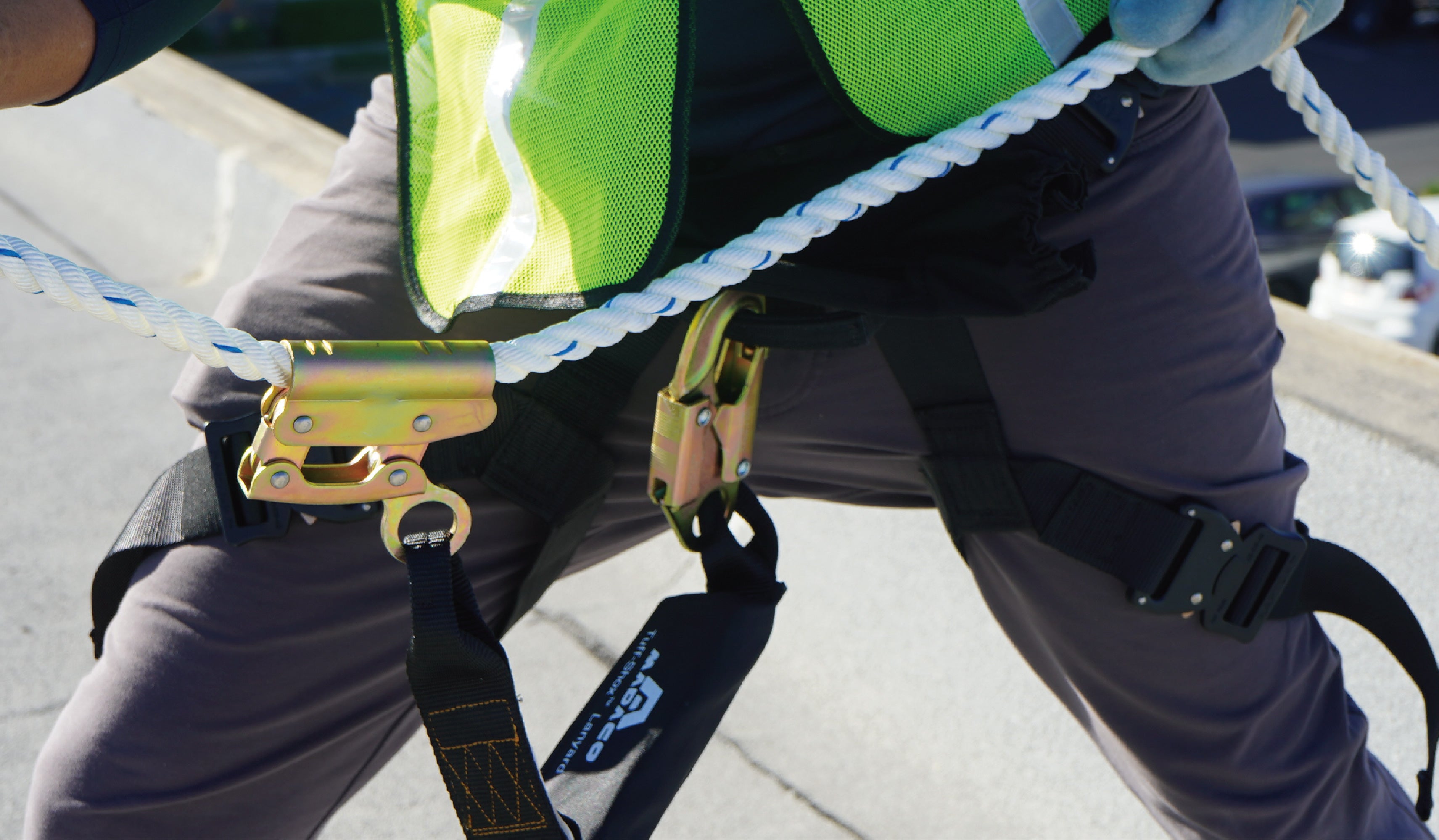
A work positioning belt is worn around the waist and used with compatible positioning straps or lanyards, connectors, and suitable anchorage. A properly configured system supports the worker on an elevated vertical surface while they lean and work with both hands.
The belt is one component of that system. Its suitability depends on the complete setup, the task, the working environment, and the manufacturer’s instructions.
Work Positioning, Fall Restraint, and Fall Arrest: What’s the Difference?
These terms describe different functions:
| System | Primary purpose |
|---|---|
| Work positioning | Supports a worker at the work location so they can work with both hands while leaning. |
| Fall restraint | Restricts travel so a worker cannot reach a location where a fall could occur. |
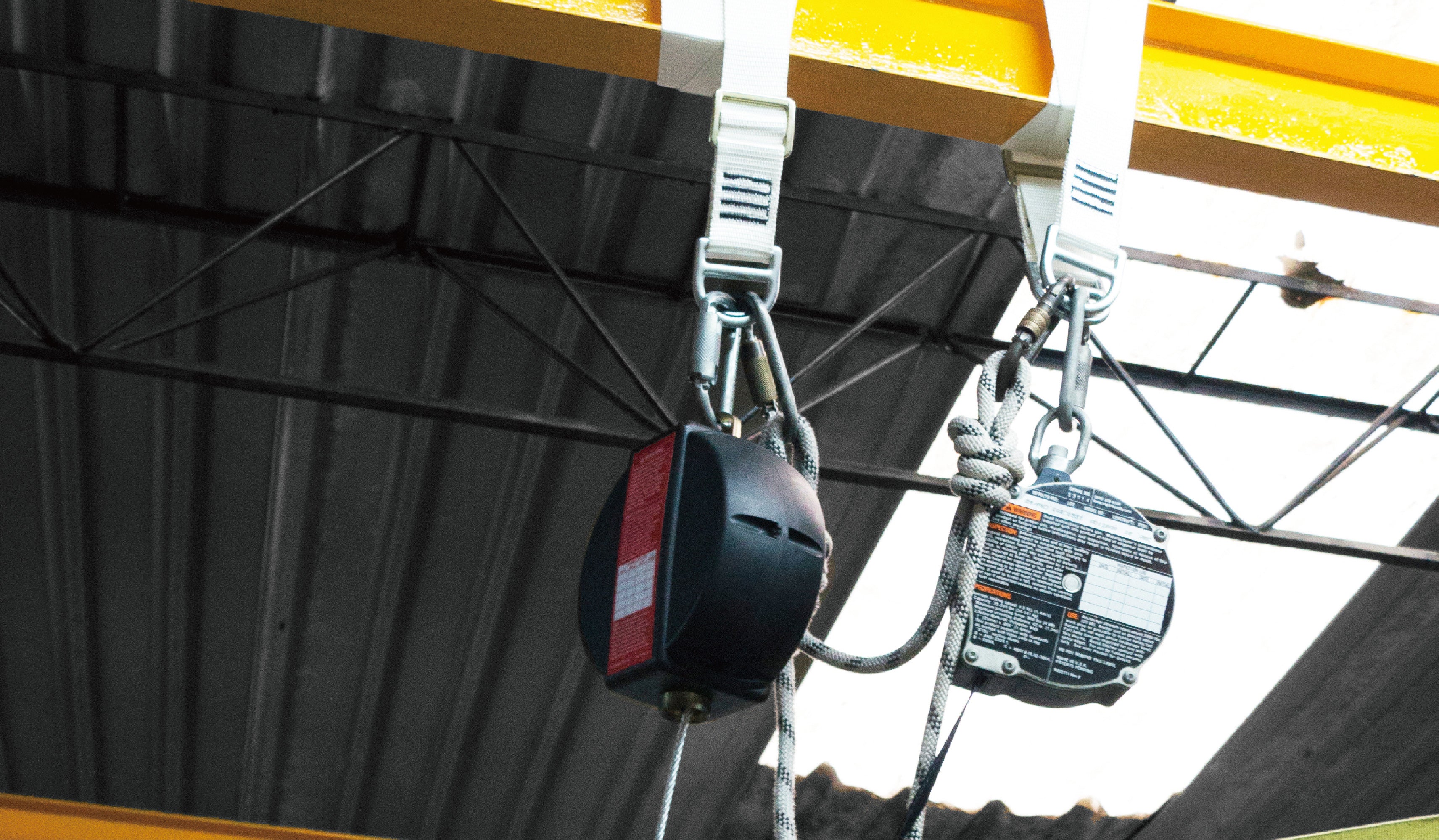
| Personal fall arrest | Stops a worker after a fall begins using an appropriate full-body harness and compatible system components. |
Do not assume equipment approved for one function is suitable for another. A positioning belt does not replace a full-body fall-arrest harness.
OSHA’s construction requirements expressly prohibit body belts as part of a personal fall-arrest system. See 29 CFR 1926.502(d).
What Should You Check Before Choosing a Positioning Belt?
1. Intended application
Confirm that the manufacturer identifies the belt and connecting equipment as suitable for the planned positioning method. Your employer’s hazard assessment should determine the protection required during access, work, and movement between locations.
2. Correct size and adjustment
Use the manufacturer’s sizing chart and adjustment instructions. Check the stated waist measurements rather than relying only on size labels such as S/M or L/XL.
3. Compatible connections
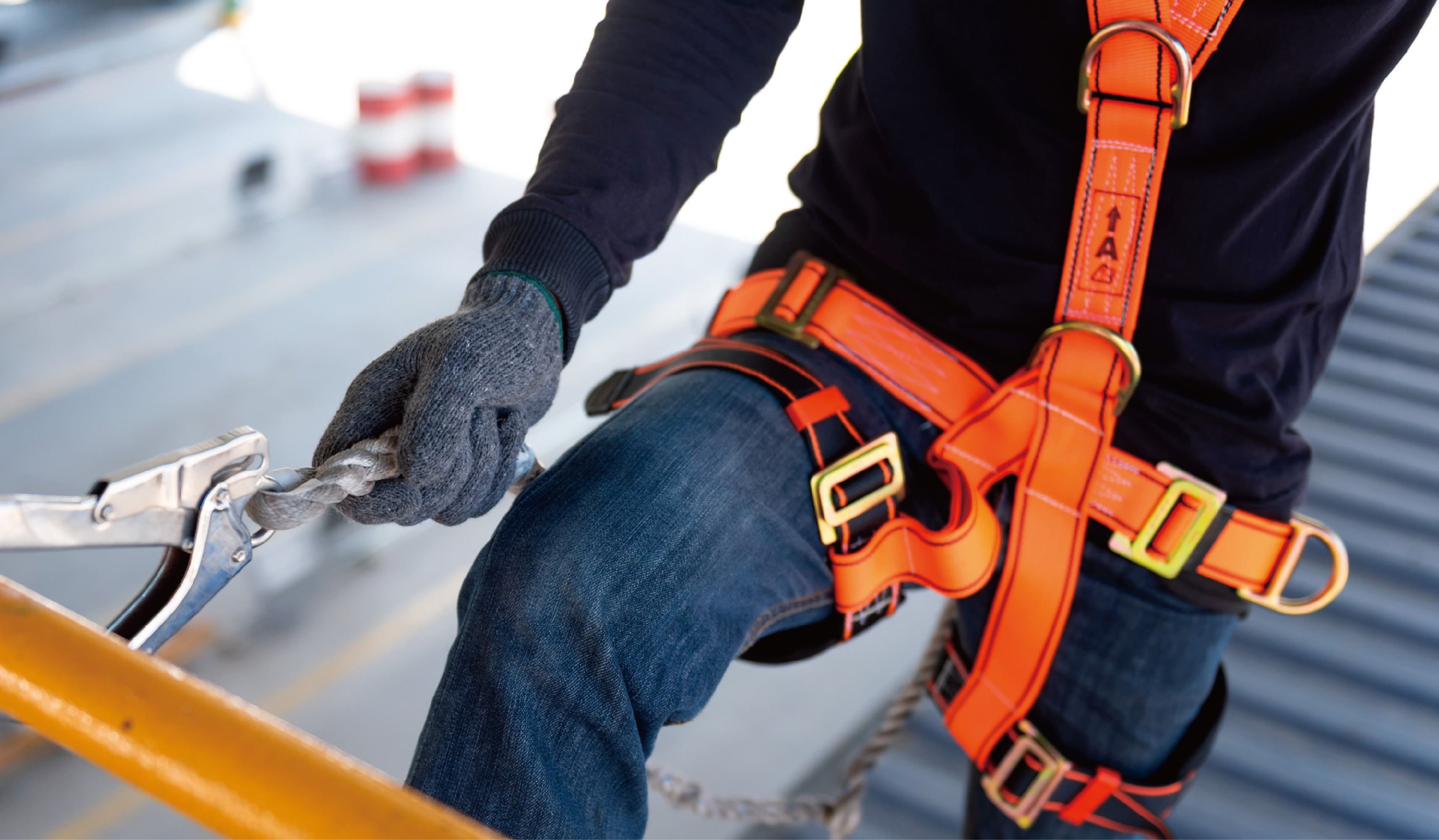
Check the compatibility of the belt’s attachment points, positioning straps, hooks, and anchorage connections. Hook size alone does not establish compatibility. Each connector must be used only in the configurations permitted by its manufacturer.
4. Documented capacity and performance
Review the instructions, labels, rated user capacity, and any documented standards for the exact model and configuration.
A 5,000-pound component strength rating is not a 5,000-pound worker capacity. It also does not establish the compliance or suitability of the complete system.
Which OSHA Requirements Apply?
For construction work covered by OSHA’s Subpart M, 29 CFR 1926.502(e) establishes positioning-device requirements. These include:
-
Rigging the system so the worker cannot free fall more than two feet.
-
Using anchorage capable of supporting at least twice the potential impact load or 3,000 pounds, whichever is greater.
-
Inspecting the system before each use and removing defective components from service.
Electric power transmission and distribution construction has additional requirements under 29 CFR 1926.954.
What Does ASTM F887 Conformity Mean?
For electric power transmission and distribution construction covered by this rule, the note to OSHA 29 CFR 1926.954(b)(2) states that body belts and positioning straps conforming to ASTM F887-12e1 are deemed compliant with that paragraph when used by workers weighing no more than 310 pounds fully equipped, including clothing, tools, and equipment.
This provision does not establish that a particular belt meets ASTM F887-12e1 or give every positioning belt a 310-pound capacity. Any conformity claim should be supported by product-specific documentation, including relevant test reports identifying the model and configuration evaluated. Always follow the manufacturer’s stated capacity, instructions, and limitations.
These references have specific scopes. Employers must identify the requirements applicable to their workplace, including any relevant state requirements.
Inspect Your Positioning Equipment Before Use
Follow the manufacturer’s inspection instructions and your employer’s procedures. Typical checks include:
-
Webbing and stitching: Cuts, fraying, broken stitches, burns, or other deterioration.
-
Buckles and attachment points: Cracks, deformation, corrosion, or damage.
-
Hooks and gates: Proper operation and locking.
-
Labels: Readable identification, capacity information, and warnings.
Remove equipment from service if it fails inspection or its condition is uncertain. Follow the manufacturer’s requirements for evaluation, retirement, and replacement.
Explore the Madaco Work Positioning Belt
The Madaco Work Positioning Belt features padded waist support, polyester webbing, a tongue buckle, multiple size options, and aluminum or steel hook options.
When comparing configurations, confirm the size, included components, connector specifications, and manufacturer instructions for your intended application.
View the Madaco Work Positioning Belt, or contact Madaco for sizing assistance, configuration details, and available product documentation.
Frequently Asked Questions
Can a positioning belt replace a fall-arrest harness?
No. A positioning belt must not be used for personal fall arrest. Where a personal fall-arrest system is required, use an appropriate full-body harness and compatible equipment.
Does a two-foot free-fall limit mean the belt is fall-arrest equipment?
No. The positioning-system free-fall limit does not make a body belt suitable for personal fall arrest.
Is a positioning belt all I need for hands-free work?
No. It requires compatible connecting equipment, suitable anchorage, proper configuration, and training. Additional protection may be required for the task.
This article provides general product education. It does not replace a site-specific hazard assessment, employer training, manufacturer instructions, or applicable safety requirements.