



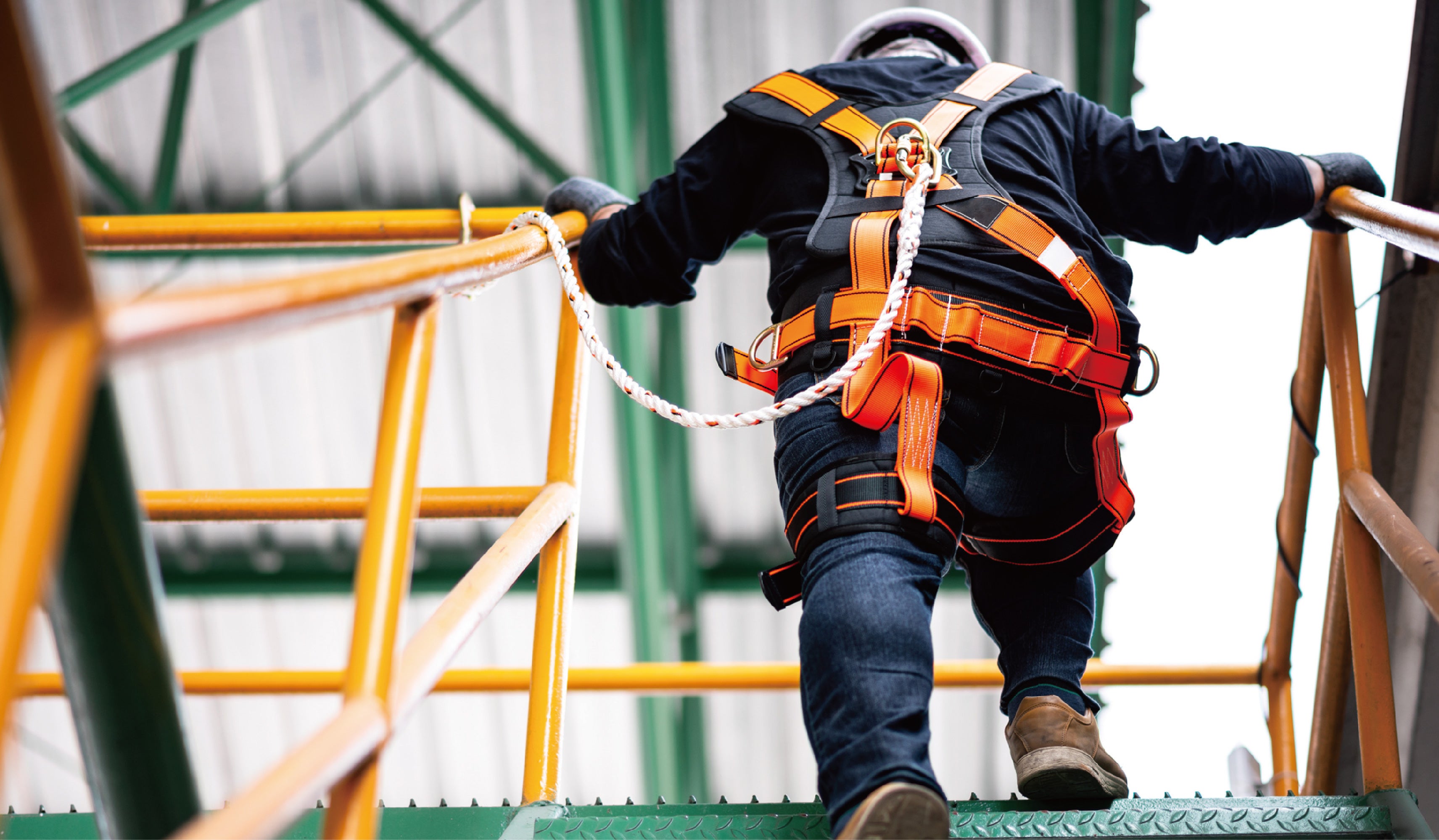
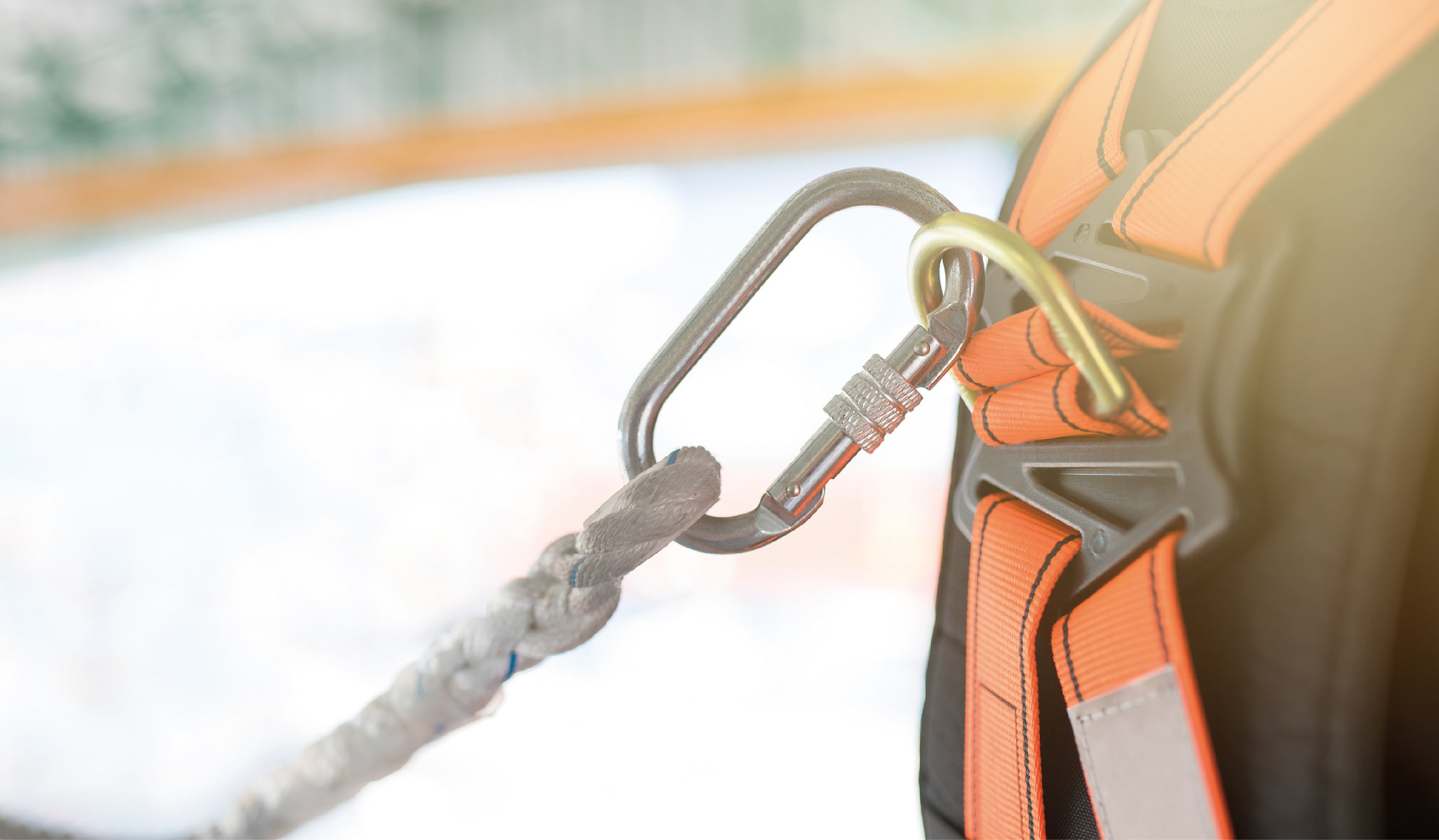
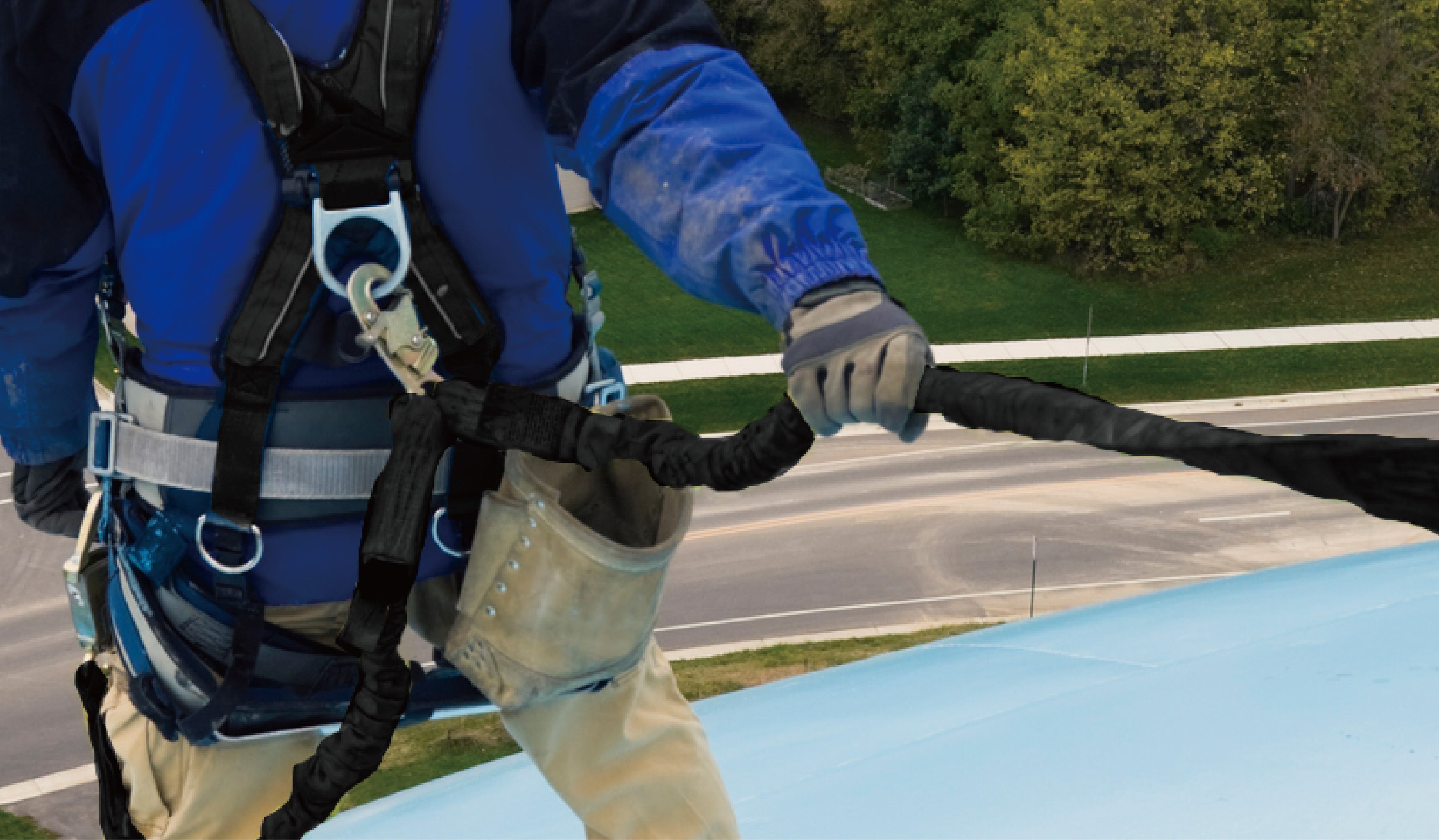

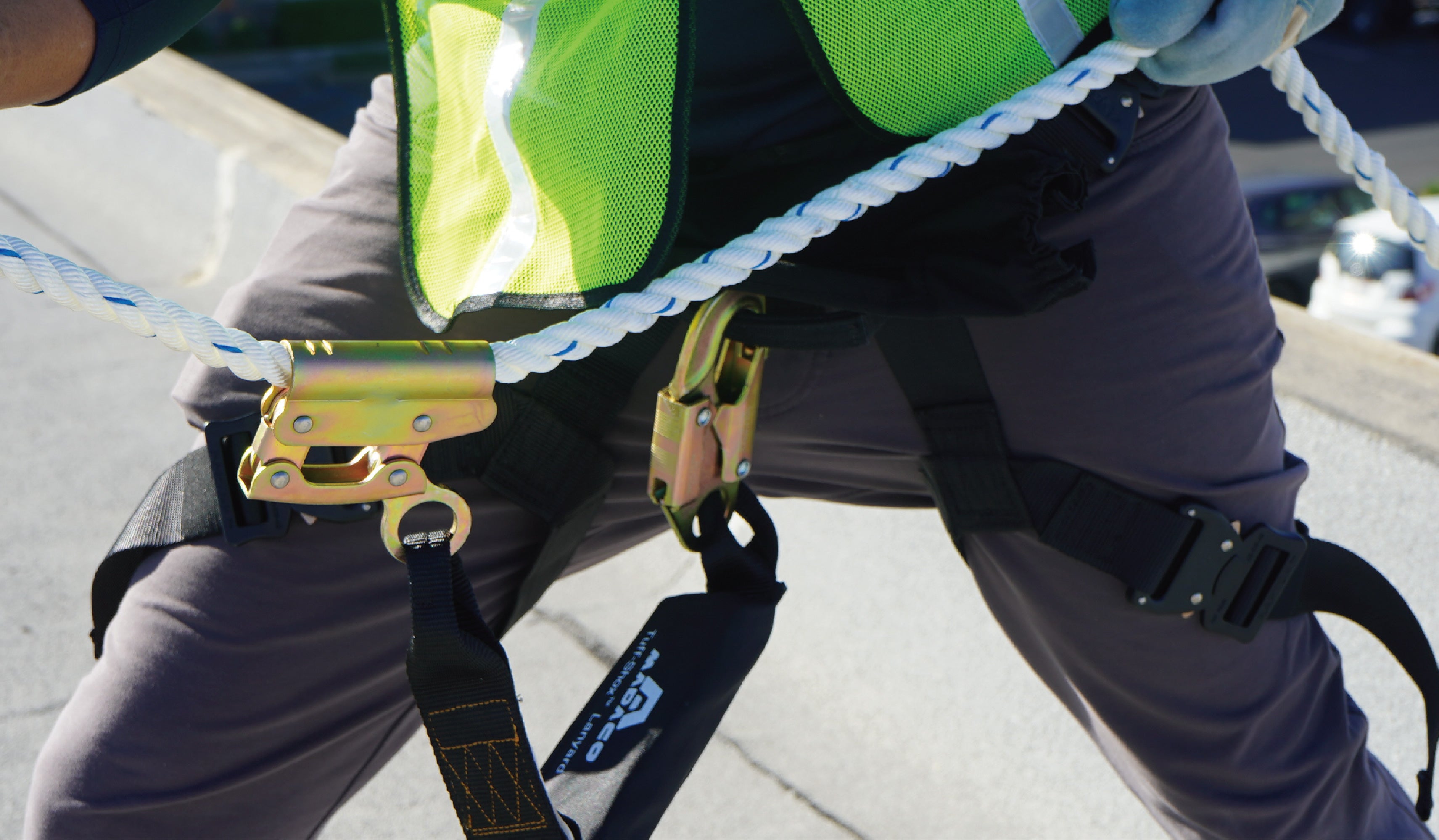



Hands-free support is not the same as fall arrest. When selecting equipment for work at height, understanding that difference is essential.
A work-positioning lanyard supports a worker at the work location, allowing both hands to remain available for the task. A personal fall arrest system stops a worker after a fall begins. Although both belong within the broader category of fall protection, they serve different functions—and equipment intended only for positioning must not be substituted for fall-arrest equipment.
At Madaco Safety Products, choosing the right equipment starts with understanding the application, reviewing the exact product configuration, and following the manufacturer’s instructions.
What Is a Work-Positioning Lanyard?
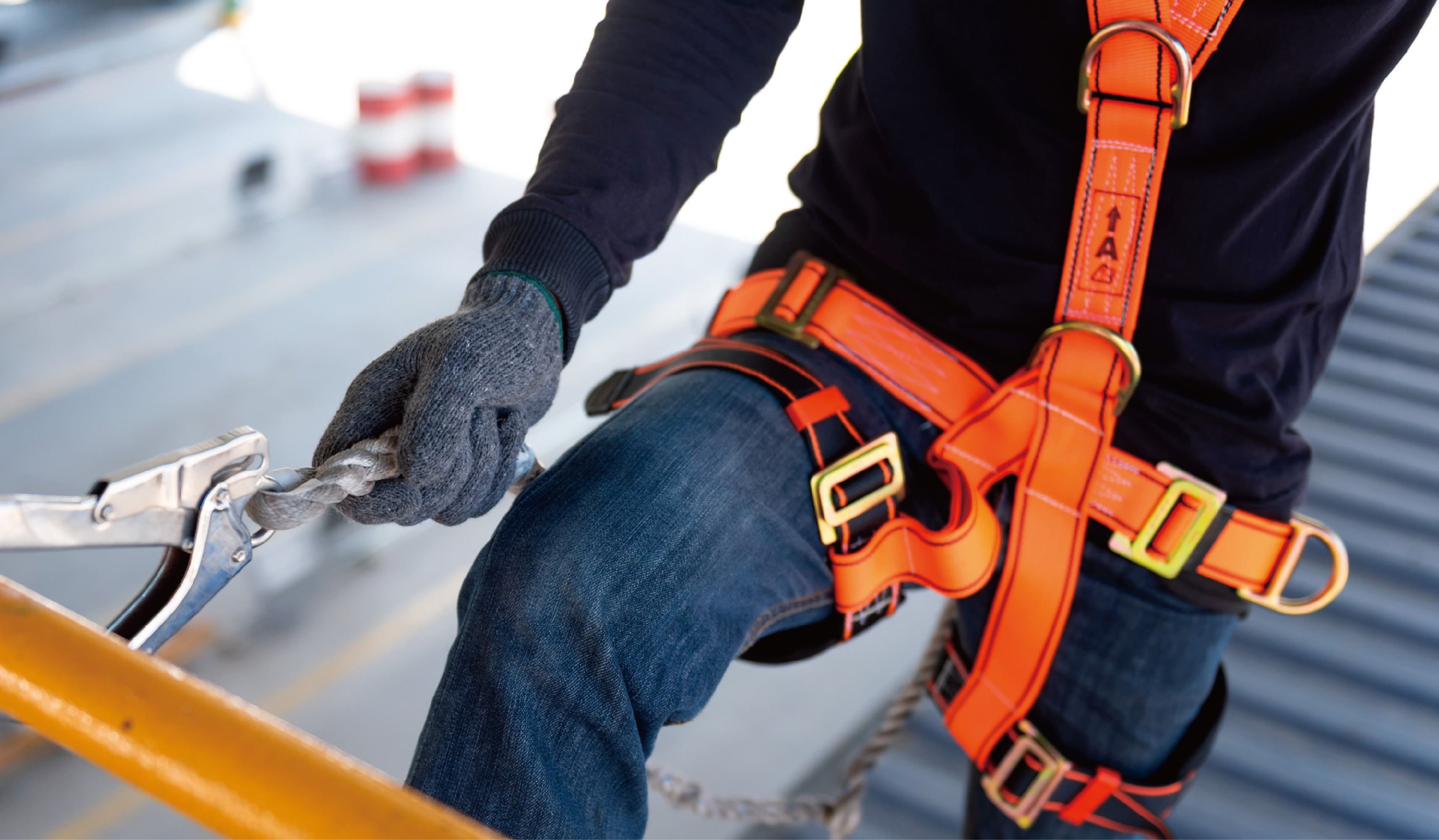
A work-positioning lanyard connects compatible body support—such as a positioning belt or a harness with designated positioning attachments—to suitable anchorage.
A properly configured positioning system supports a worker on an elevated vertical surface while the worker leans into the system and works with both hands.
Explore Madaco’s positioning lanyards and work-positioning equipment.
Important: A positioning belt or lanyard is one component of a system. Safe use depends on compatible connections, appropriate anchorage, correct adjustment, training, and the intended application.
Can a Positioning Lanyard Be Used for Fall Arrest?
A lanyard designated only for work positioning must not be used as the fall-arrest connection.
Personal fall arrest requires a complete system designed for that purpose, including:
-
An appropriate full-body harness.
-
Suitable anchorage.
-
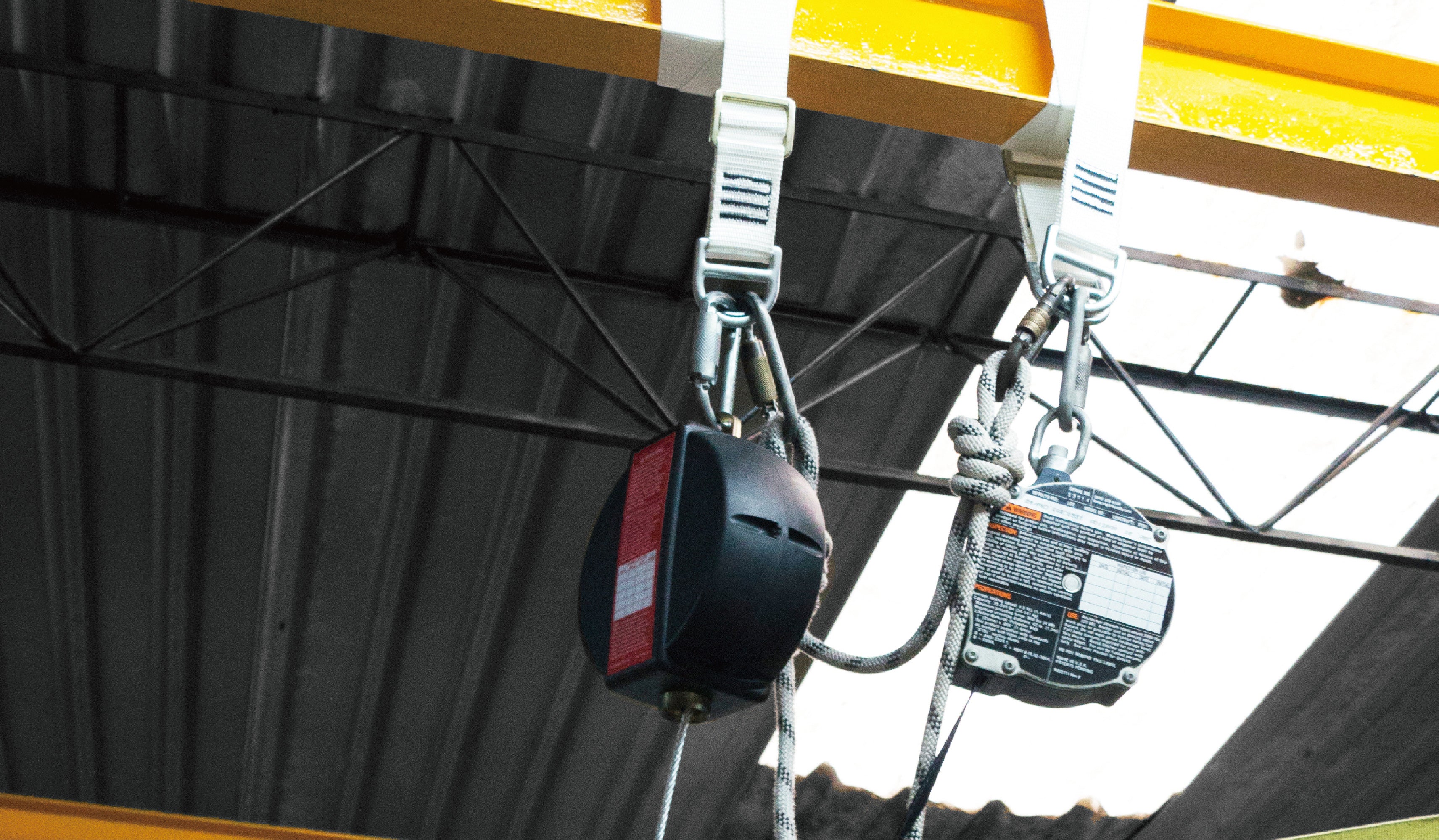
Compatible connecting and deceleration equipment, such as an energy-absorbing lanyard or an appropriate self-retracting lifeline.
-
Sufficient fall clearance and a plan for prompt rescue.
A body belt is not a substitute for a full-body fall-arrest harness. OSHA’s general-industry standard explicitly prohibits body belts as part of a personal fall arrest system under 1910.140(d)(3).
See OSHA 1910.140: Personal Fall Protection Systems.
What Does the Two-Foot Free-Fall Limit Mean?
For construction work covered by OSHA’s positioning-device requirements, 1926.502(e)(1) requires positioning devices to be rigged so a worker cannot free fall more than two feet.
That limit does not make a positioning belt or positioning lanyard suitable for personal fall arrest. It is a requirement for the positioning system’s configuration—not permission to use it as a general-purpose fall-arrest system.
OSHA discusses this distinction in its guidance on positioning devices, restraint systems, and body belts.
The applicable rule matters. General-industry requirements under 1910.140 include separate positioning-system performance criteria; employers should not assume that construction and general-industry provisions are identical.
Does a Positioning Lanyard Need to Meet OSHA or ANSI?
The question is not simply “OSHA or ANSI?” Employers must meet applicable OSHA requirements and select equipment appropriate for the task. ANSI/ASSP standards provide additional technical criteria for equipment and systems.
OSHA requirements
OSHA establishes enforceable workplace safety requirements. The provisions that apply depend on the industry, task, and working conditions.
For example:
-
General industry: OSHA 1910.140 addresses personal fall protection systems, including positioning and personal fall arrest.
-
Construction: OSHA 1926.502(e) addresses positioning-device systems.
State-plan requirements and specialized work rules may also apply.
ANSI/ASSP standards
The ANSI/ASSP Z359 family addresses fall protection equipment, systems, testing, and program requirements. Relevant standards include:
-
Z359.3: Lanyards and positioning lanyards.
-
Z359.11: Full-body harnesses.
-
Z359.12: Connecting components.
-
Z359.13: Energy absorbers and energy-absorbing lanyards.
-
Z359.14: Self-retracting devices.
ANSI/ASSP standards are generally voluntary consensus standards on their own. Do not assume every Z359 provision is automatically an OSHA requirement. Confirm the applicable regulations, project specifications, employer requirements, and product documentation.
Learn more through the ASSP Fall Protection and Fall Restraint Standards resource.
An ANSI marking does not change a product’s intended use. Equipment designated for positioning remains positioning equipment unless its documentation expressly identifies another approved function.
Do You Need a Separate Fall-Arrest System While Positioning?
A separate fall-arrest system may be necessary, depending on the applicable requirements, manufacturer instructions, and site-specific hazard assessment.
The assessment must consider more than the stationary work position. Workers may face different hazards while climbing, accessing the work area, disconnecting, or moving between locations.
Do not assume a positioning system protects against every fall exposure. Where personal fall arrest is required, use a separate, compatible fall-arrest connection and an appropriate full-body harness.
Likewise, do not assume every permitted positioning application has an identical backup-system requirement. Have the employer’s competent or qualified person, as appropriate, evaluate the complete work method.
Why a 5,000-Pound Rating Does Not Tell the Whole Story
A component’s tensile-strength rating does not establish:
-
The worker’s allowable weight.
-
The hook’s gate strength.
-
The performance of the complete assembly.
-
Suitability for fall arrest.
-
Compliance with every applicable requirement.
For example, OSHA 1910.140(c)(7) addresses connector tensile strength, while 1910.140(c)(8) separately addresses proof testing and gate strength.
Hook-body strength and gate strength are different specifications. Both matter.
The Madaco Work Positioning Belt with Rebar Hook Options includes an important configuration distinction:
-
Infinity steel rebar hooks: The product listing specifies 3,600-pound gate strength.
-
Poseidon II aluminum rebar hooks: The listing specifies 11 kN gate strength and states that this option does not meet the 3,600-pound gate-strength requirement of OSHA 1910.140.
Where that requirement applies, the aluminum-hook option is not an appropriate substitute. Meeting the gate-strength requirement alone also does not establish compliance of the complete system.
Confirm the exact hook option, product instructions, and supporting documentation before ordering or use.
Choosing Madaco Work-Positioning Equipment
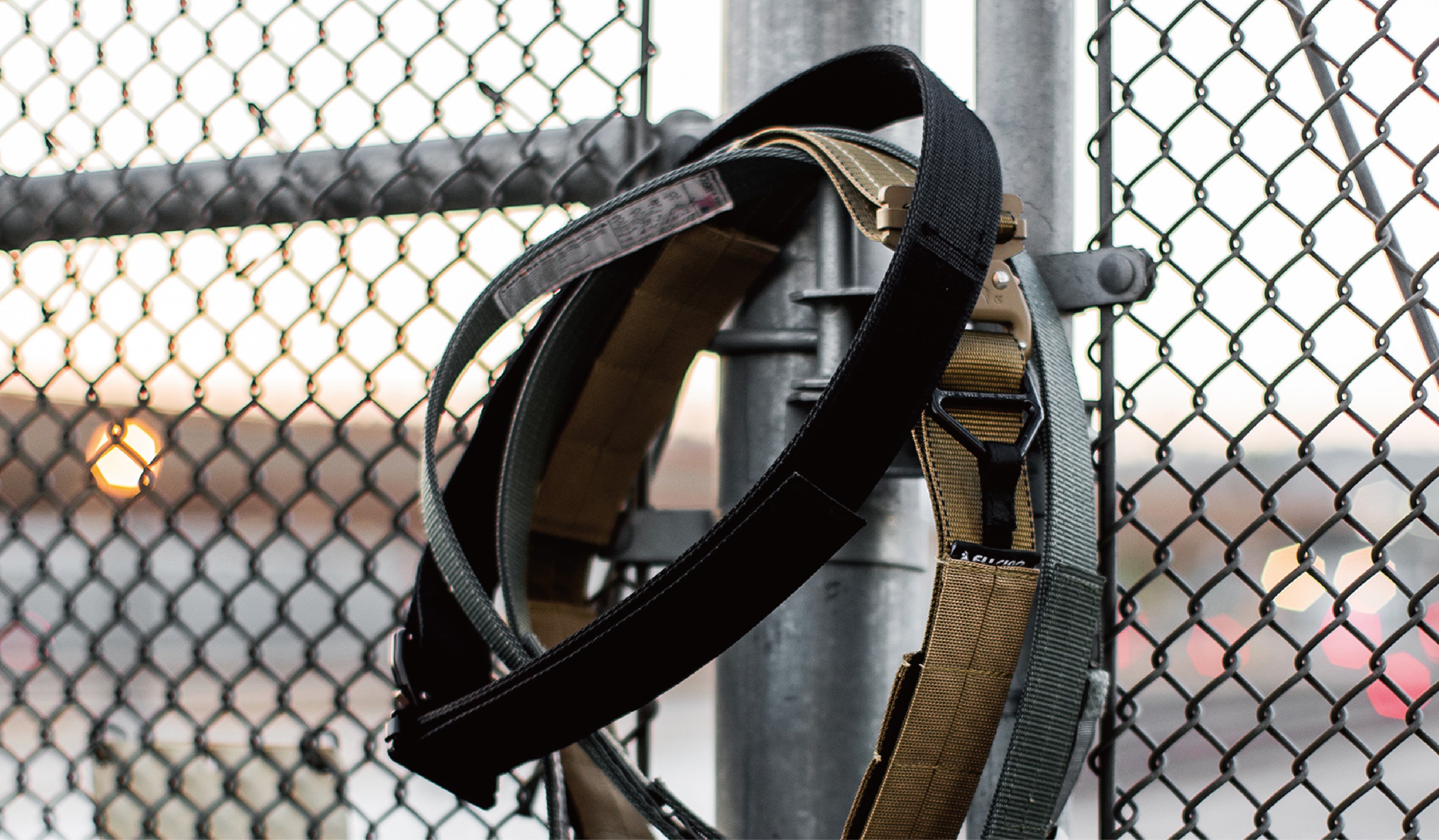
The Madaco Work Positioning Belt features padded waist support, polyester webbing, a tongue buckle, multiple size options, and steel or aluminum rebar-hook configurations.
When evaluating equipment, review:
-
Intended use: Is the exact model suitable for the planned positioning method?
-
Fit: Does the selected size match the manufacturer’s sizing instructions?
-
Connections: Are the hooks, attachment points, and anchorage compatible?
-
Documentation: Are capacity, limitations, and applicable performance claims documented for the selected configuration?
-
Complete protection: What protection is needed during access, positioning, and transitions?
For another body-support option, explore the Madaco Padded Positioning Body Belt with Dual D-Rings. This belt must be used with appropriate compatible equipment; it is not a personal fall-arrest harness.
Inspect Before Use
Follow the manufacturer’s instructions and your employer’s inspection procedures. Check for:
-
Cuts, fraying, burns, or damaged stitching.
-
Cracked, bent, corroded, or otherwise damaged hardware.
-
Gates that do not close and lock properly.
-
Damaged buckles or adjustment components.
-
Missing or unreadable labels.
Remove defective equipment from service. Equipment subjected to impact loading must also be removed from service immediately and handled according to the applicable requirements and manufacturer’s instructions.
The Bottom Line
Positioning supports the worker. Fall arrest stops a fall. One does not automatically replace the other.
Choose equipment by its documented purpose—not appearance, hook size, or a single strength rating. Verify the applicable requirements and evaluate the complete system before work begins.
Browse Madaco work-positioning equipment or explore the broader Madaco fall protection lanyard collection to compare equipment categories.
This article provides general safety education. It does not replace manufacturer instructions, employer training, a site-specific hazard assessment, or applicable safety requirements. Product selection must be based on the exact model and configuration.
Reference Sites
-
OSHA 1910.140 — Personal Fall Protection Systems
Primary reference for general-industry system performance, connector requirements, inspections, and the prohibition on body belts for fall arrest. -
OSHA — Positioning Devices, Restraint Systems, and Body Belts
Explains the differences between positioning and restraint, including limitations for aerial-lift applications. -
ASSP — ANSI/ASSP Z359 Fall Protection and Fall Restraint Standards
Authoritative overview of the Z359 standards family.