







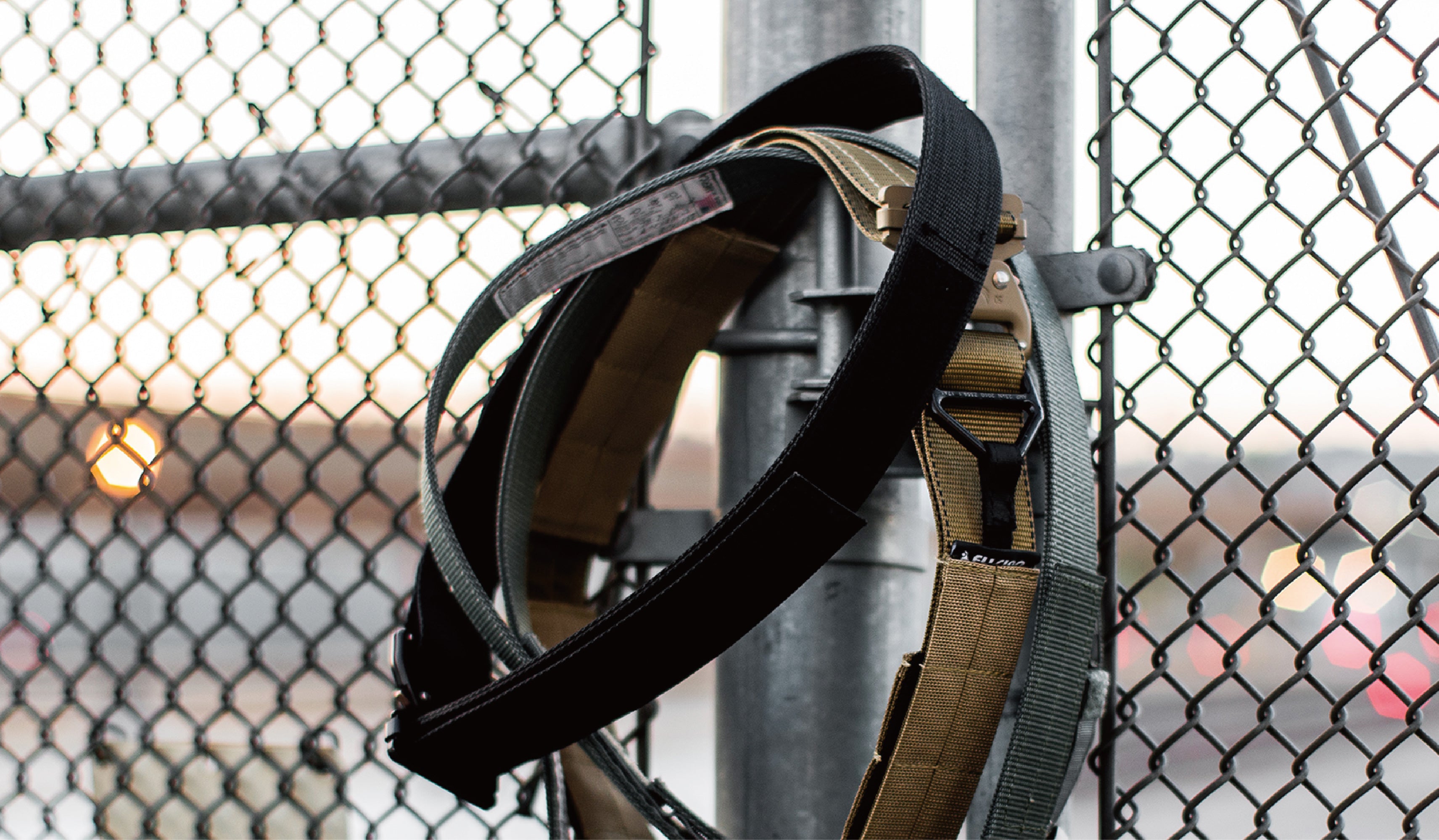
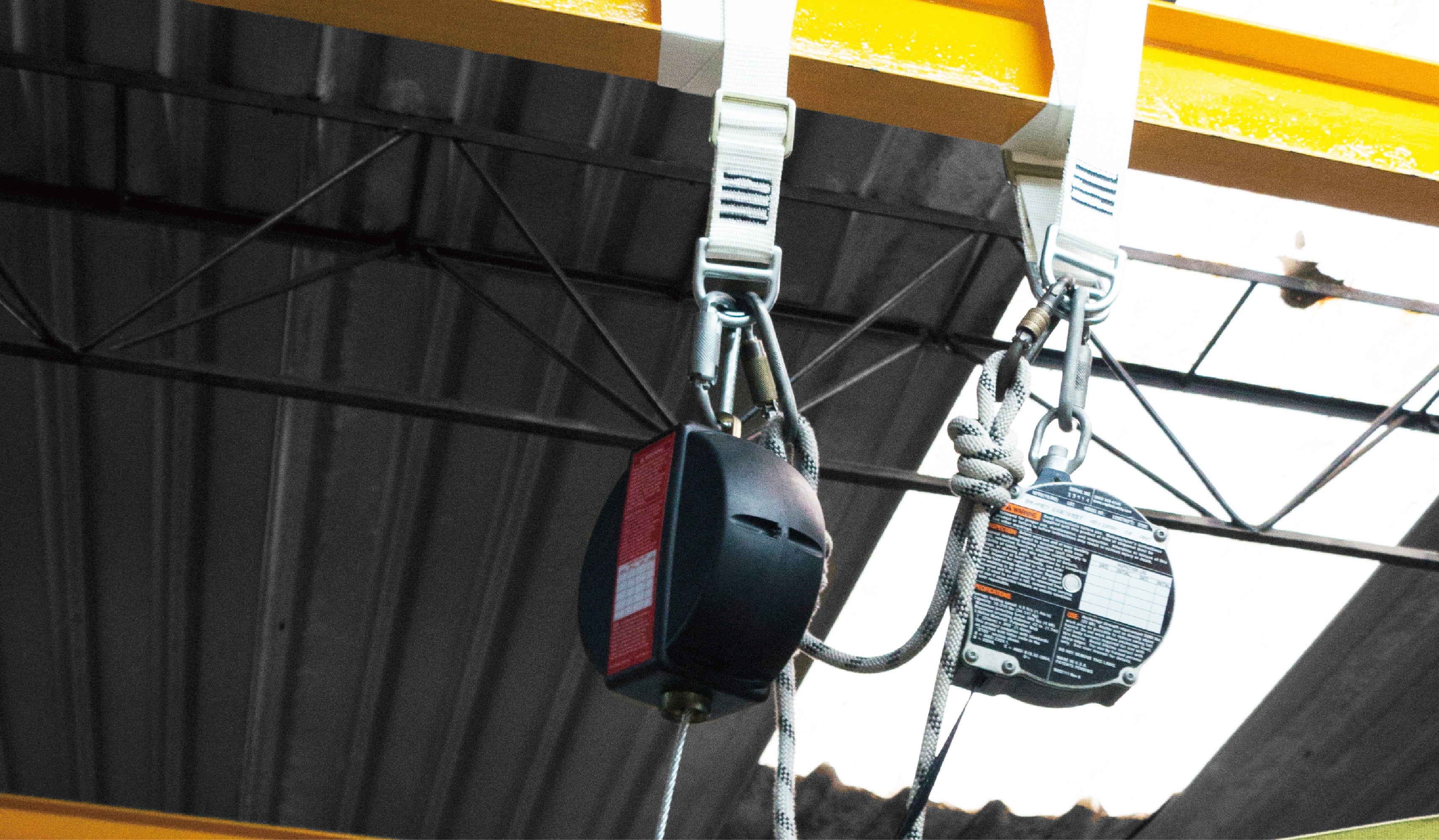

Working from a boom lift can provide safer access to elevated work areas—but only when the right equipment is used correctly.
One of the biggest risks in a boom lift is not just falling from height. It is being pushed, bounced, or thrown outside the platform during sudden movement, impact, or overreaching. That is where a restraint lanyard harness system can play an important role.
A properly selected restraint setup is designed to help keep the worker inside the platform area, rather than allowing them to move beyond the guardrail zone. In this guide, we explain the purpose of a boom lift restraint lanyard system, what the key components do, and what workers and supervisors should review before use. For general aerial lift requirements, OSHA’s Aerial Lifts standard is a useful reference point.
What is a restraint lanyard system on a boom lift?
A restraint lanyard system is intended to limit the worker’s movement so they can stay within the boundaries of the work platform.
In simple terms, its purpose is to help prevent the worker from getting into a position where they could go “overboard” by leaning too far, climbing the rails, or being jolted beyond the platform.
For MEWP applications, restraint systems are commonly used to support safer operation by helping workers remain inside the basket while working at height. If your customers use the term MEWP, IPAF offers a helpful overview of United States MEWP regulations and standards.
Why restraint matters on a boom lift
Boom lifts can move vertically, horizontally, and around obstacles. That flexibility is useful—but it also means movement can become unpredictable if the machine hits an obstruction, the platform shifts suddenly, or the operator repositions too quickly.
A restraint system helps reduce risk by:
-
limiting how far the worker can move
-
helping keep the worker inside the platform
-
discouraging overreaching
-
supporting safer positioning while the lift is in use
-
adding another layer of protection when combined with training and proper operating procedures
The key idea is simple:
the safest worker position is inside the platform, not leaning beyond it.
What the Madaco flyer shows
The Madaco Safety Harness Combo flyer highlights a system designed for MEWP use and references updated ANSI A92.22 guidance.
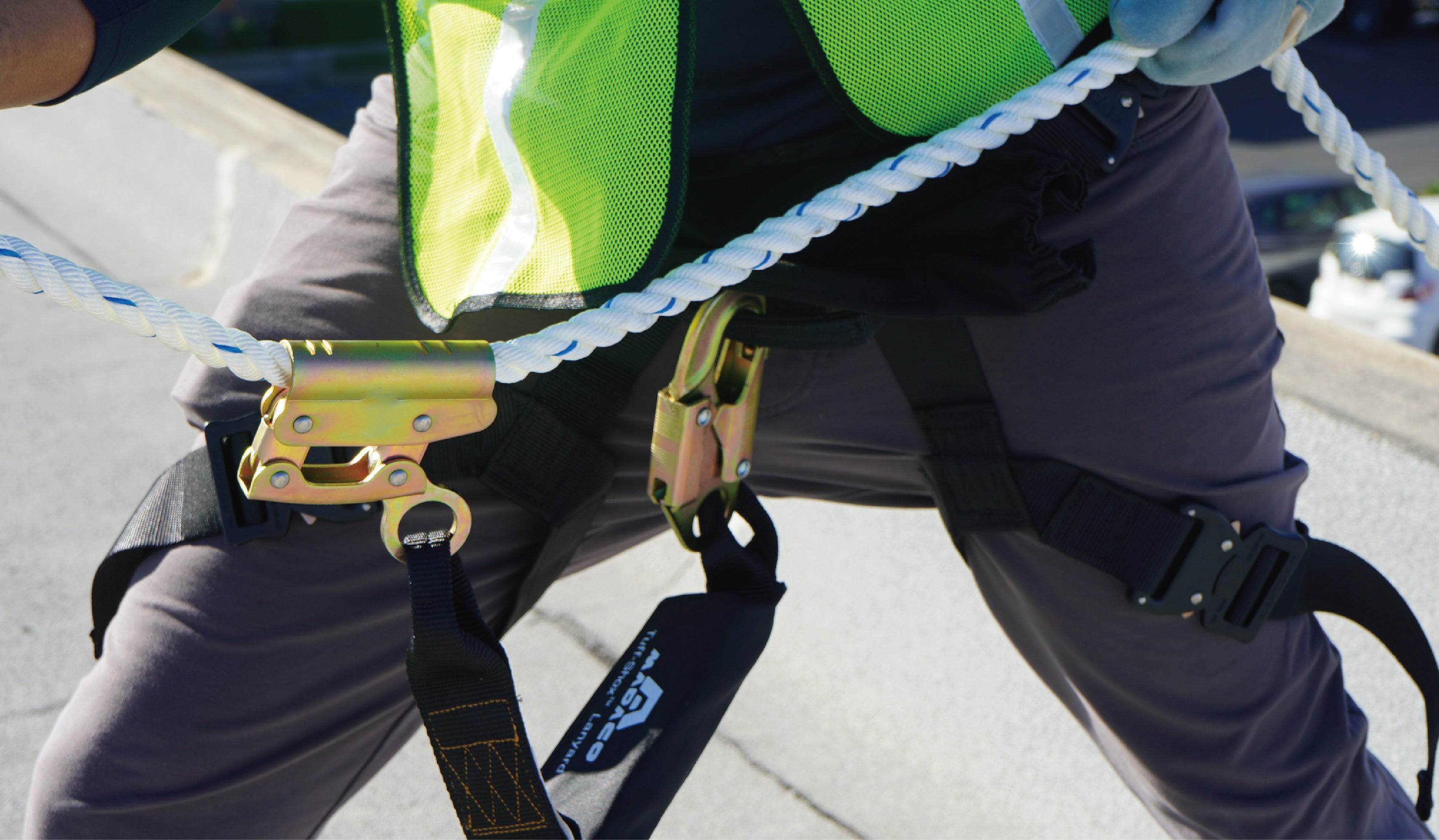
According to the flyer, the combo includes:
-
a 6 ft lanyard with snap hook for attachment
-
a 3 ft restraint lanyard intended to help keep workers inside the work platform
-
a 3-point adjustable harness with 2 D-rings
-
a storage bag
The flyer also labels two connection references:
-
3 ft restraint lanyard: anchor to the fall arrest bar
-
6 ft lanyard: anchor to the boom/platform
Because lift configurations and approved anchor locations can vary, workers should always verify the correct connection method using:
-
the lift manufacturer’s instructions
-
the harness and lanyard labels
-
site-specific safety procedures
-
applicable ANSI and OSHA requirements
What is the 3-foot restraint lanyard for?
The 3-foot restraint lanyard shown in the flyer is described as being used for keeping workers inside the work platform.
That shorter length matters.
A restraint lanyard is typically used to limit travel distance, which helps reduce the ability to lean, climb, or move beyond the safe working envelope of the platform. In other words, it helps control worker positioning before a dangerous situation develops.
That is the real value of restraint: not just being connected, but being connected in a way that helps keep the worker where they belong.
Basic boom lift restraint system components
1. Full-body harness
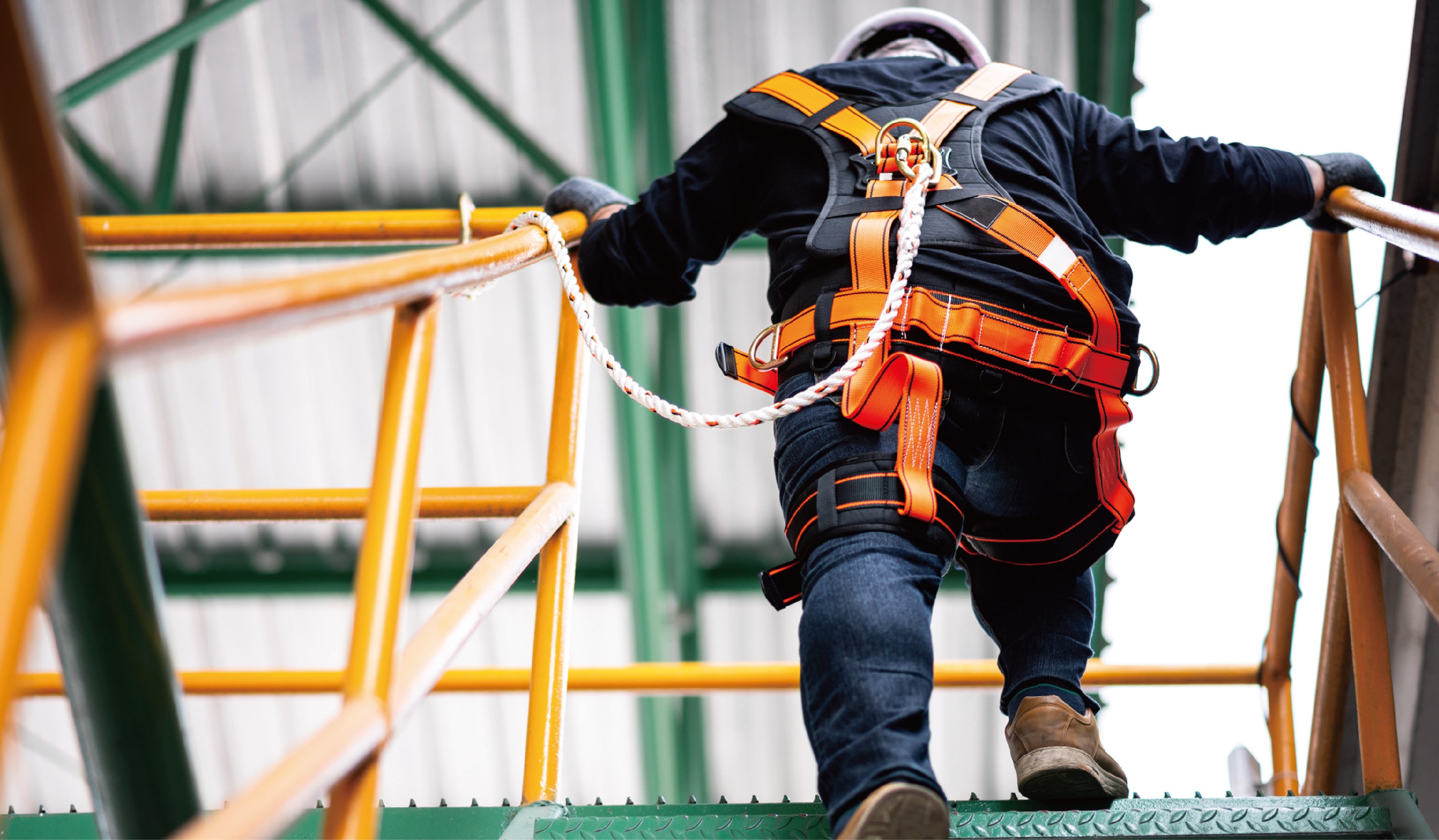
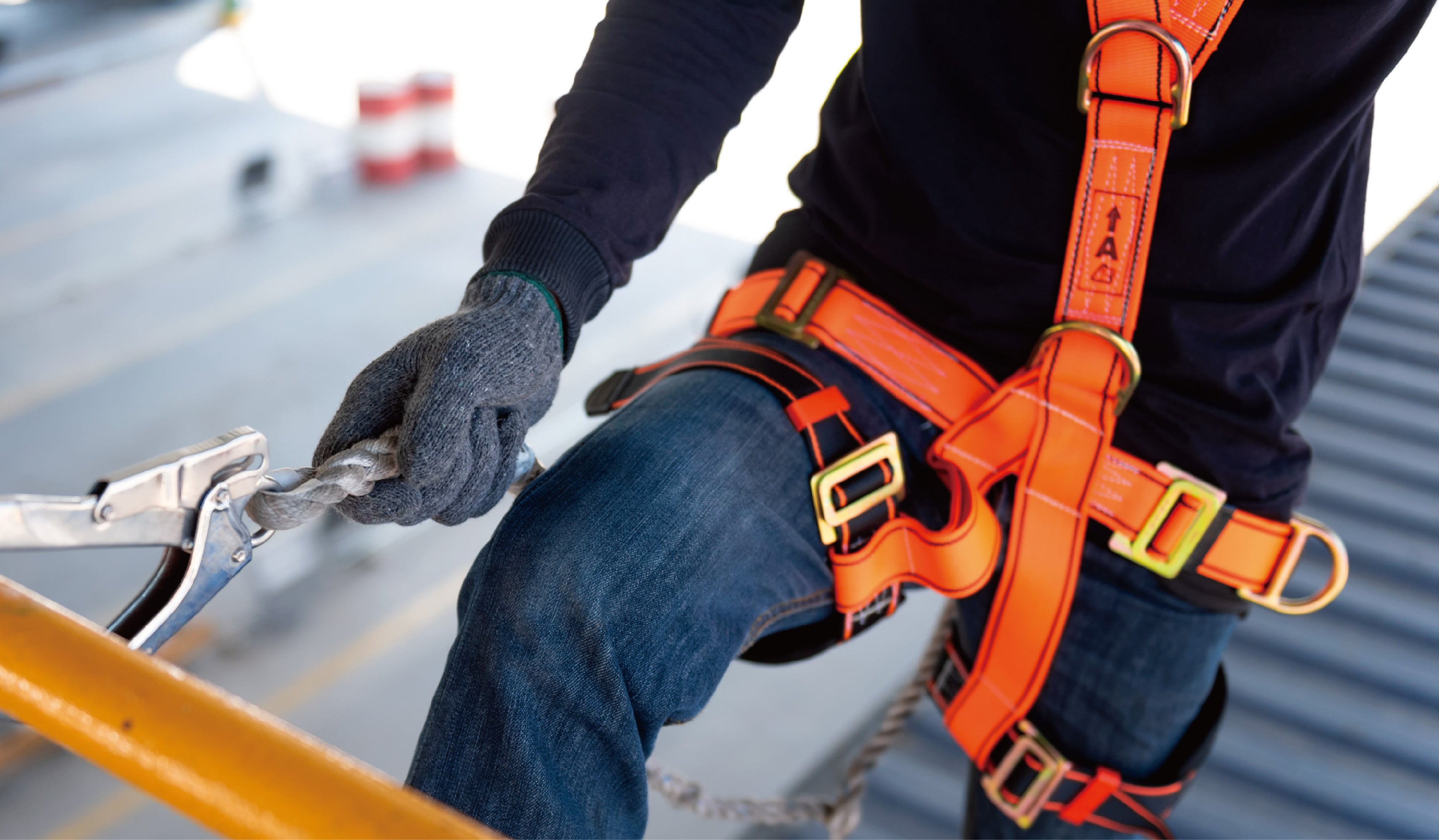
The flyer shows an adjustable harness with 2 D-rings. A properly fitted harness is the foundation of the system.
The harness should be:
-
adjusted to the worker’s body
-
snug but not restrictive
-
inspected before each use
-
free from cuts, frays, burns, deformation, or missing labels
A loose harness is not doing anyone any favors.
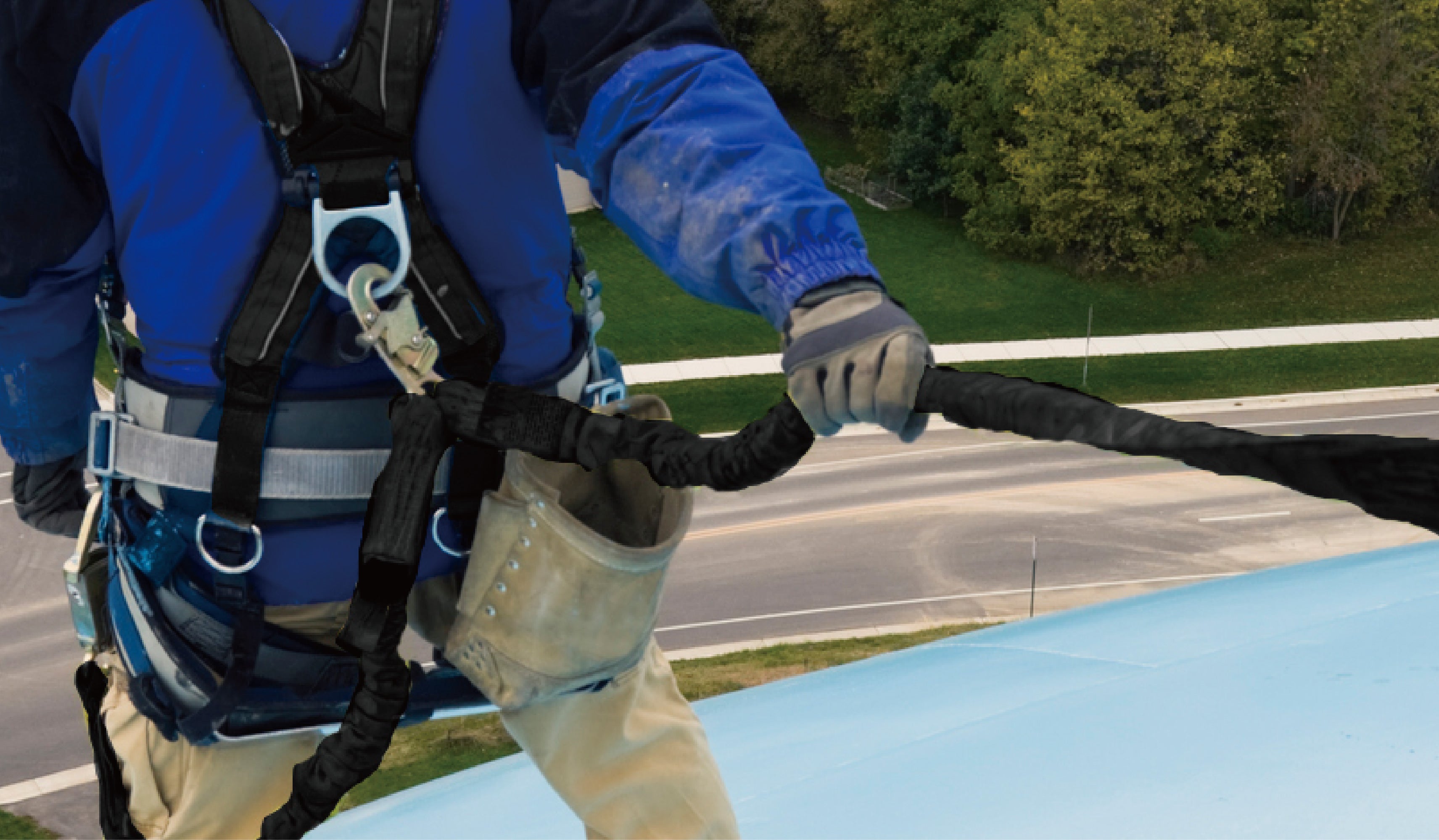
2. 3-foot restraint lanyard
This is the component intended to help restrict movement and keep the worker inside the platform area.
The shorter length helps reduce excess travel and discourages overreaching.
3. 6-foot attachment lanyard
The flyer also includes a 6-foot lanyard with snap hook for attachment. Before use, workers should verify exactly when and how that lanyard is intended to be used based on:
-
equipment labeling
-
the approved anchor point
-
the lift manufacturer’s guidance
-
the site’s fall protection plan
4. Approved anchor location
An anchor point is only a safety point if it is approved for that use.
Never assume any rail, bar, or structural member is acceptable unless it is identified by the equipment manufacturer or applicable instructions.
General steps for safer use of a restraint lanyard system on a boom lift
Step 1: Inspect the equipment before use
Before entering the lift, inspect:
-
harness webbing
-
stitching
-
D-rings
-
hooks and snap hooks
-
lanyard condition
-
labels and markings
-
signs of wear, cuts, fraying, corrosion, or damage
If the equipment is damaged, worn, altered, or missing identification, remove it from service.
Step 2: Put on and adjust the harness correctly
The harness should be worn according to its labeling and adjusted so it fits the worker properly.
Check:
-
shoulder straps
-
leg straps
-
chest strap
-
buckle security
-
D-ring position
-
overall fit and comfort
A poor harness fit can affect both comfort and performance.
Step 3: Identify the correct anchor point on the lift
Before connecting anything, confirm the designated anchor location on the MEWP.
Do not guess.
Do not improvise.
Do not clip to whatever looks convenient.
Workers should only connect to anchor points approved for that purpose. OSHA also states that employees working from aerial lifts must follow specific platform-use rules, including standing firmly on the floor of the basket and not climbing or sitting on the edge of the basket. See OSHA 1926.453.
Step 4: Connect the restraint lanyard as intended
The flyer indicates that the 3-foot restraint lanyard is used to help keep workers inside the platform and references anchoring to the fall arrest bar.
Before use, confirm:
-
the correct attachment point on the lift
-
the correct connection point on the harness
-
whether the system is being used in a restraint configuration
-
whether the equipment is approved for that specific application
Step 5: Stay inside the platform
Once connected, the worker should remain inside the platform with both feet on the floor.
That means:
-
no climbing or sitting on rails
-
no leaning out over the edge
-
no using ladders, planks, or boxes inside the basket
-
no defeating the purpose of the restraint system by overextending
This is where the restraint system does its real job: helping the worker stay in the safe zone.
Step 6: Watch slack, swing, and entanglement
Before moving the lift, check that the lanyard path is clear and not tangled around controls, rails, tools, or materials.
Workers and supervisors should watch for:
-
excessive slack
-
snag hazards
-
sharp edges
-
entanglement
-
interference with movement or controls
Step 7: Follow operator training and site rules
A restraint system is only one part of safe MEWP use.
It should always be paired with:
-
trained operators
-
pre-use equipment checks
-
jobsite hazard assessment
-
safe travel and positioning
-
clear communication between worker and operator
-
compliance with site and manufacturer rules
For broader jobsite safety support, OSHA also provides construction industry resources covering hazard awareness, training, and employer responsibilities.
Common mistakes to avoid
Here are some of the most common problems crews should avoid when using a boom lift restraint system:
-
using damaged or worn equipment
-
failing to inspect the harness and lanyards before use
-
clipping to a non-approved point
-
using too much lanyard length for the task
-
allowing workers to overreach
-
climbing or standing on the platform rails
-
assuming every boom lift has the same anchor setup
-
treating restraint gear like a “set it and forget it” item
Safety gear works best when it is selected, inspected, and used with intention—not autopilot.
Why this matters for customers
Customers often ask for an instruction manual because they want one clear answer:
How do I use this system to help keep workers from going over the edge?
The practical answer is this:
A restraint lanyard system helps reduce that risk by limiting worker movement and helping keep the worker inside the boom lift platform, where they belong. The shorter restraint lanyard is intended to control reach and positioning, while proper harness fit, approved anchor points, training, and inspection all work together to support safer MEWP operation.
Final thoughts
When it comes to boom lift safety, the goal is not just tying off—it is controlling movement before a dangerous position develops.
A restraint lanyard harness system can help crews work more safely by reducing overreaching and helping keep workers inside the platform. But like any safety product, it should be used only after reviewing the applicable instructions, equipment labels, approved anchor points, and site requirements.
If your team is using MEWPs and wants help selecting the right restraint and harness setup, Madaco Safety Products can help guide you toward the right solution for your application.
Important note
This article is provided for general educational purposes only and is not a substitute for product labeling, equipment instructions, operator training, site safety procedures, or applicable standards. Always follow the lift manufacturer’s instructions, product labels, site rules, and relevant OSHA requirements before use.
FAQ
What is a restraint lanyard used for on a boom lift?
A restraint lanyard is used to help limit worker movement and keep the worker inside the boom lift platform.
Can a restraint lanyard help prevent a worker from going over the edge?
It is designed to help reduce that risk by restricting travel and discouraging overreaching beyond the platform boundary.
Why is a shorter lanyard used for restraint?
A shorter lanyard helps control movement more effectively and helps keep the worker within the safer working area of the platform.
Can workers clip onto any bar or rail in a boom lift?
No. Workers should only connect to approved anchor points identified by the lift manufacturer and applicable instructions.
Is this blog a substitute for the equipment manual?
No. This article is for general educational purposes only. Always follow equipment labels, lift manufacturer instructions, site rules, and applicable ANSI and OSHA requirements.
Authority resources
For additional guidance on aerial lift and MEWP safety, review these resources: