




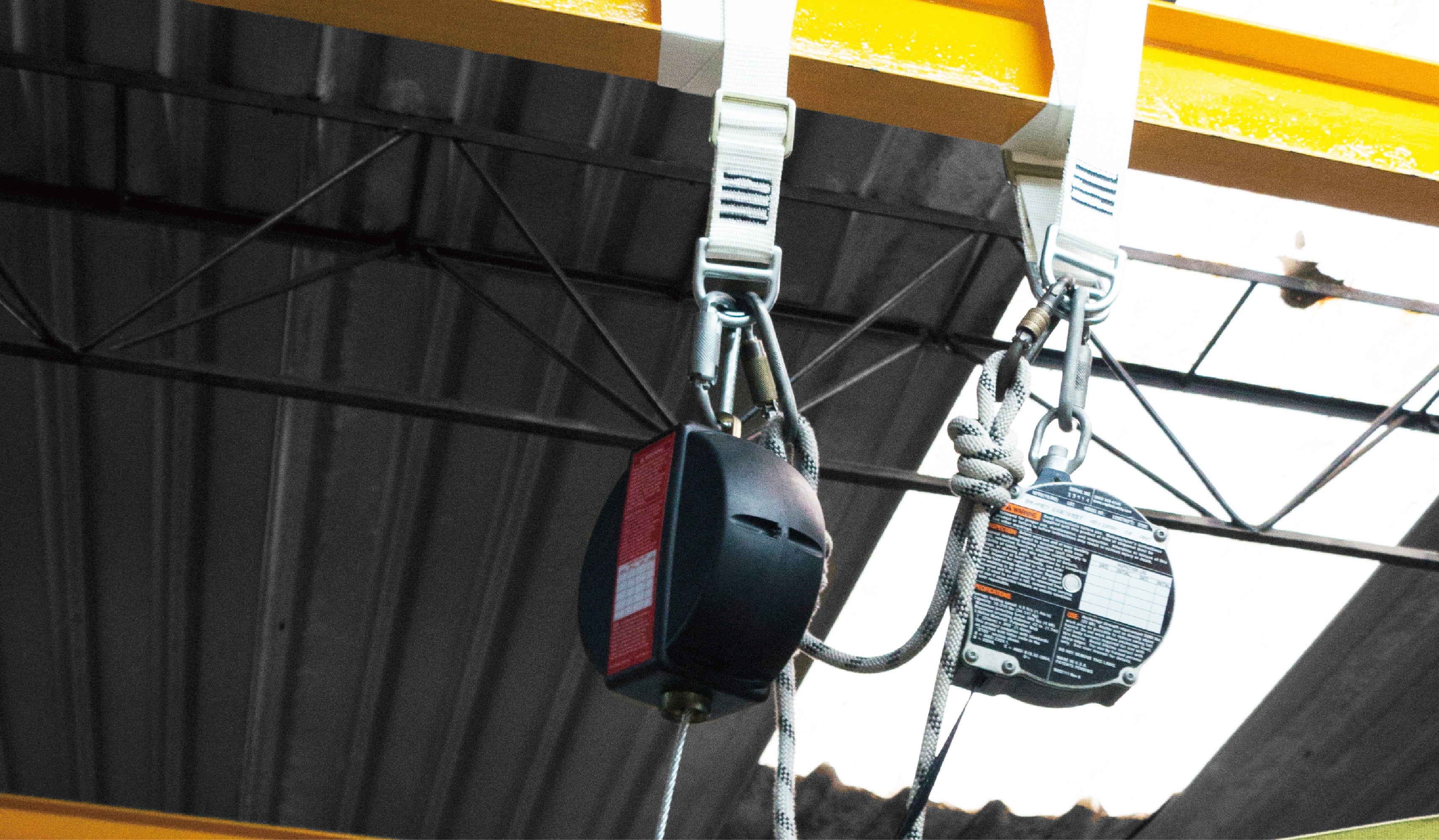

Construction sites are fast-moving, high-risk environments. Crews often work around heights, heavy equipment, tools, changing surfaces, and multiple trades at the same time. When safety basics are overlooked, even routine tasks can lead to serious injuries.
Understanding common construction site hazards is one of the best ways to help reduce risk, improve awareness, and support a safer jobsite. While every work environment is different, some hazards show up again and again across construction projects.
In this guide, we’ll cover the most common construction site hazards, why they matter, and what jobsite teams can do to help reduce exposure.
Why construction site safety matters
Construction work involves physical demands, moving equipment, elevated work areas, and changing conditions. That combination can create serious safety challenges if hazards are not identified early and managed consistently.
A strong safety culture does more than help reduce injuries. It can also help:
-
improve crew awareness
-
reduce downtime
-
support compliance efforts
-
protect equipment and materials
-
strengthen team confidence on the job
The goal is not just to react to hazards after something happens. The goal is to recognize them early and take practical steps to help prevent incidents in the first place.
1. Falls from height
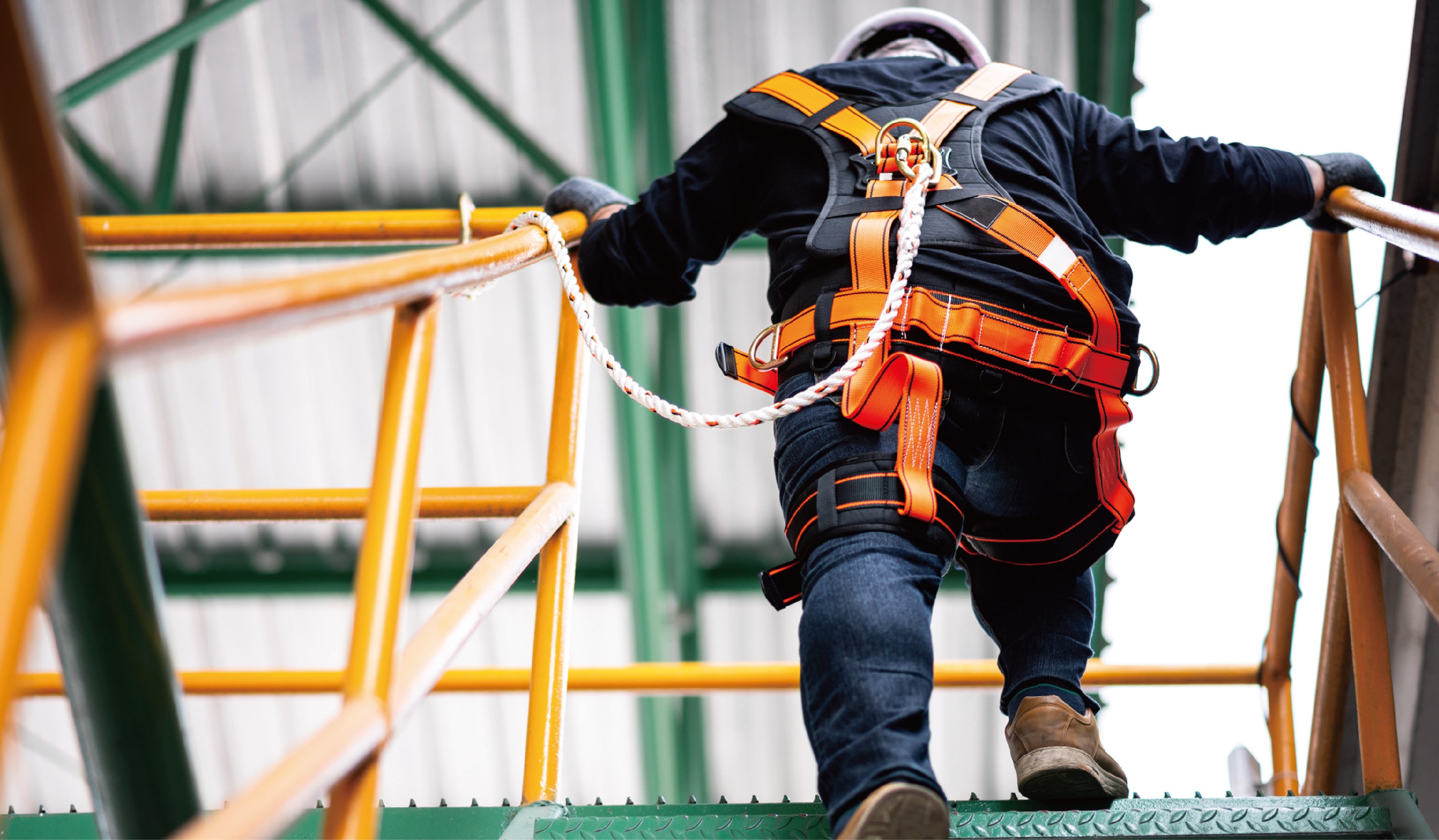
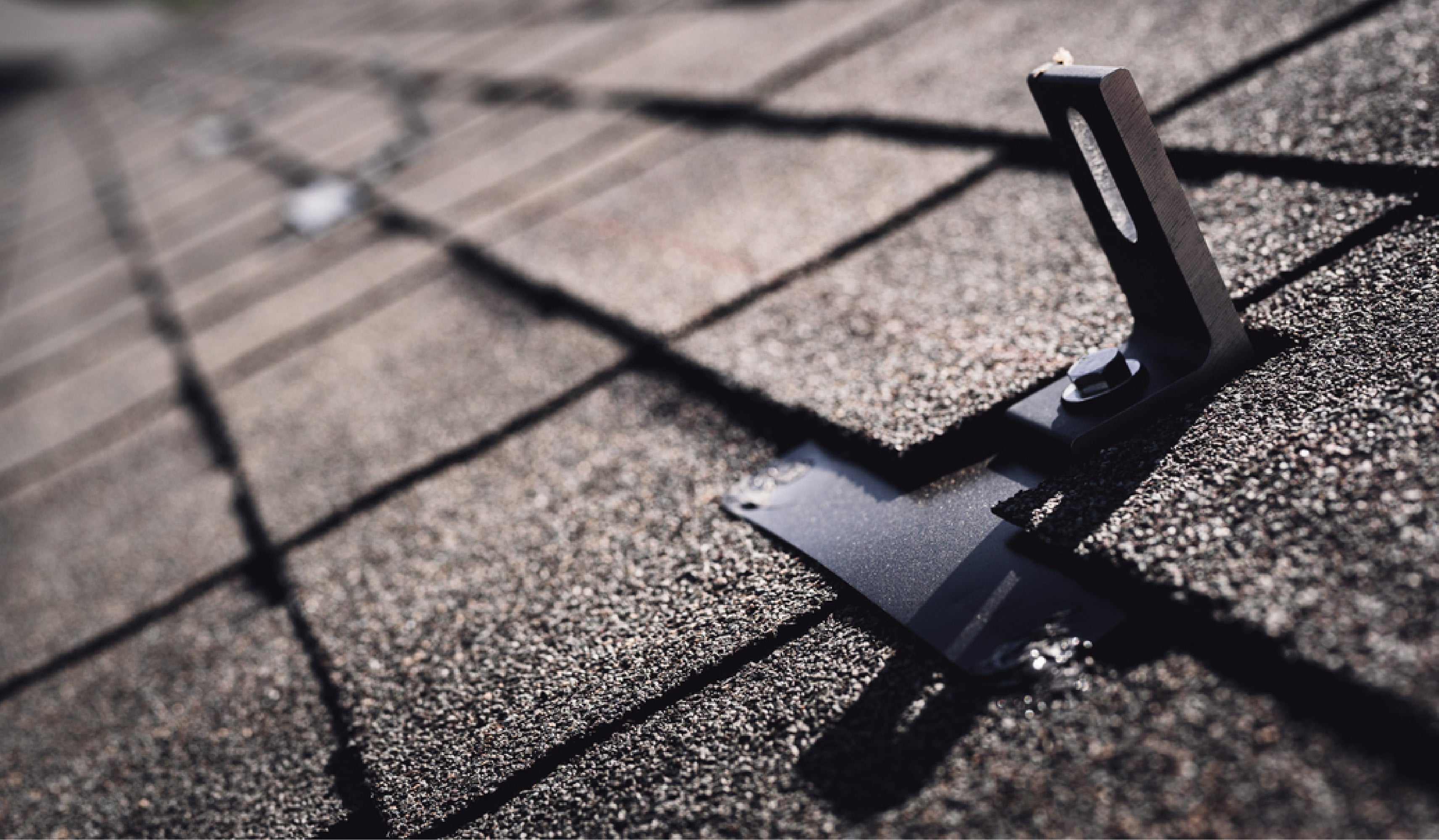
Falls remain one of the most serious hazards in construction. Workers may be exposed to fall risks when working on roofs, ladders, scaffolding, platforms, mezzanines, leading edges, or other elevated surfaces.
Common fall-related risks include:
-
unprotected edges
-
unstable ladders
-
improper scaffold use
-
unguarded openings
-
missing or damaged fall protection equipment
-
lack of pre-task planning
To help reduce fall risks:
-
inspect work areas before the shift begins
-
identify edges, holes, and overhead work zones
-
ensure workers use appropriate fall protection where required
-
inspect fall protection equipment before use
-
keep walking and working surfaces clear of debris
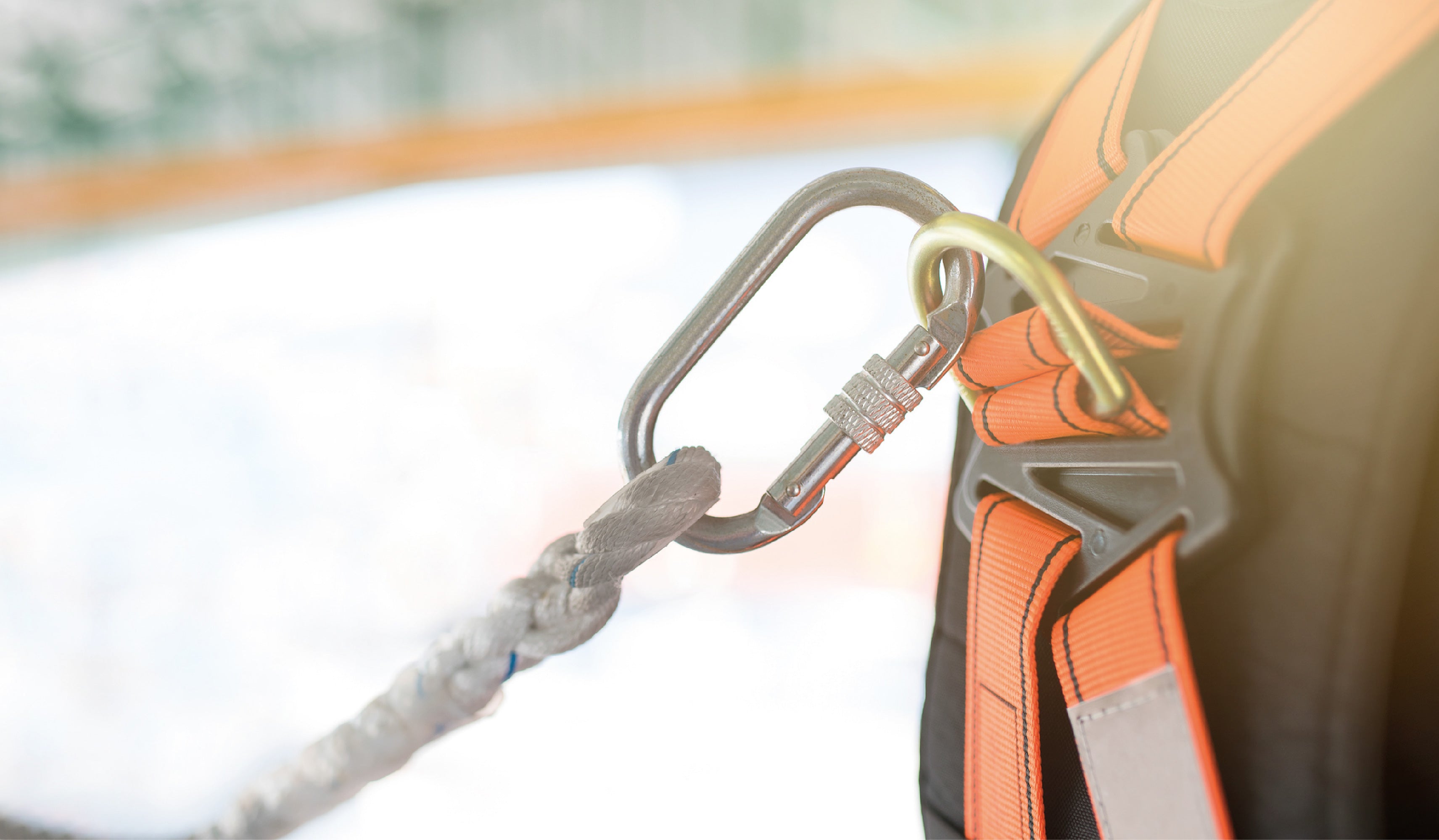
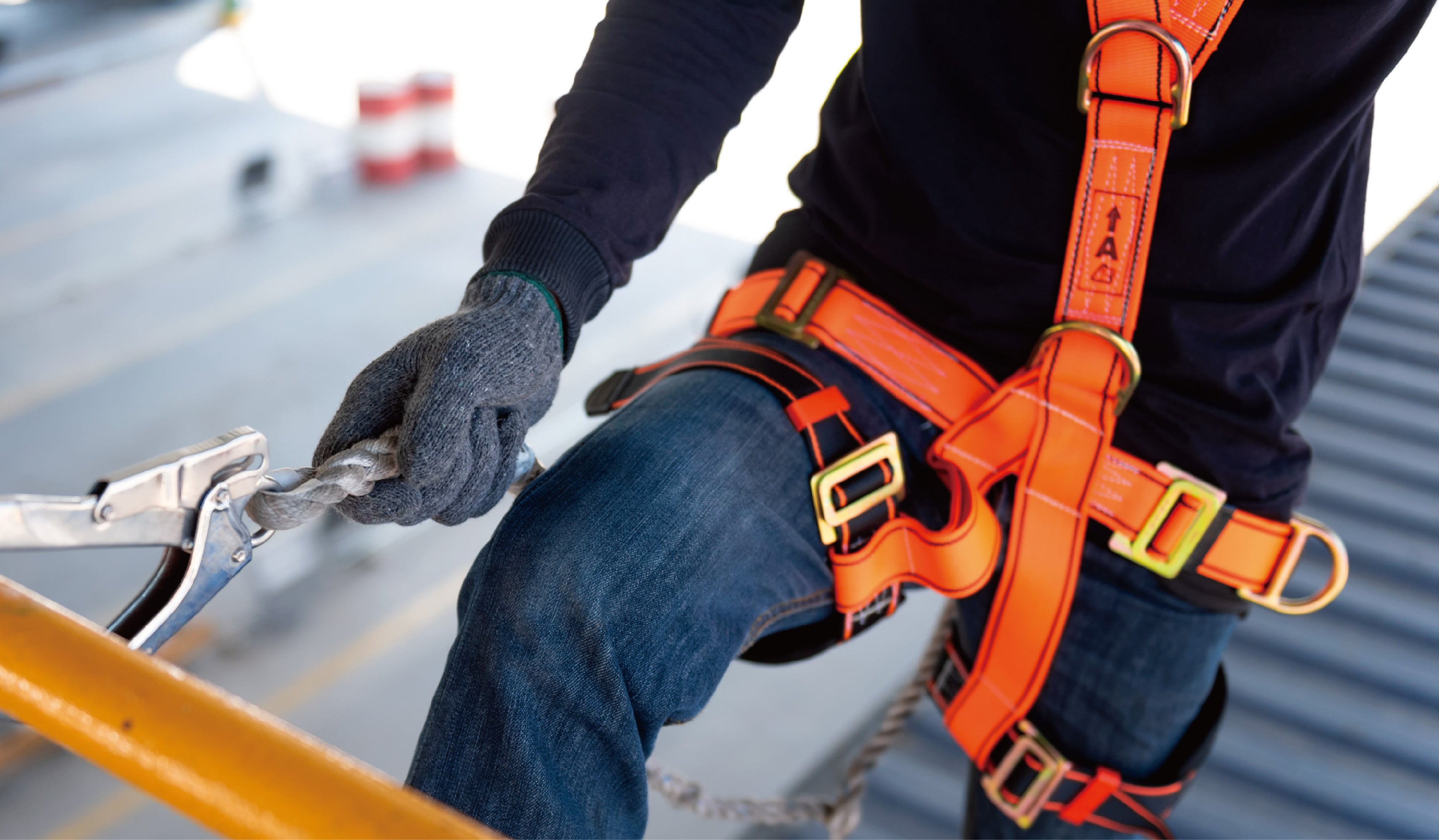
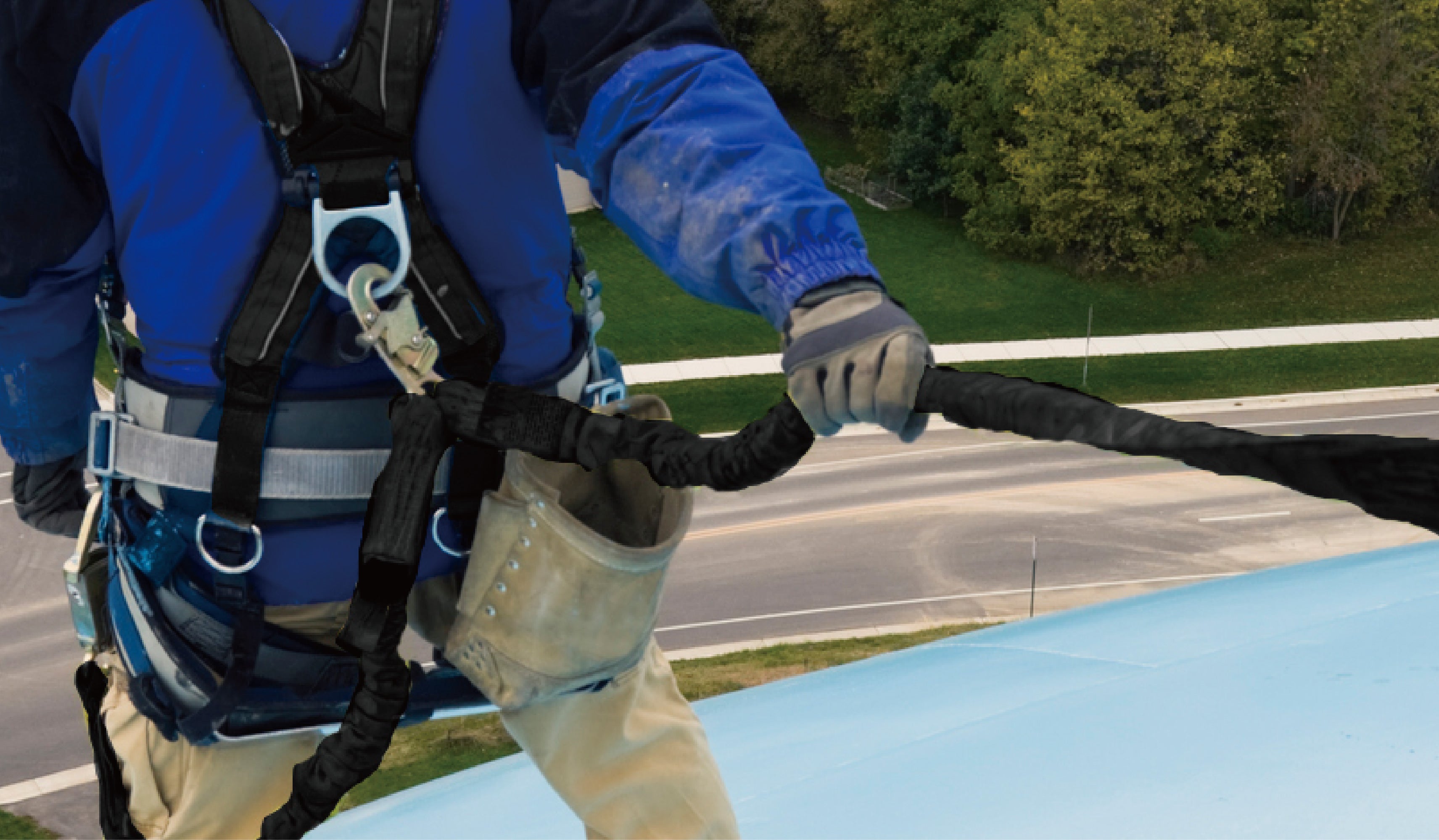
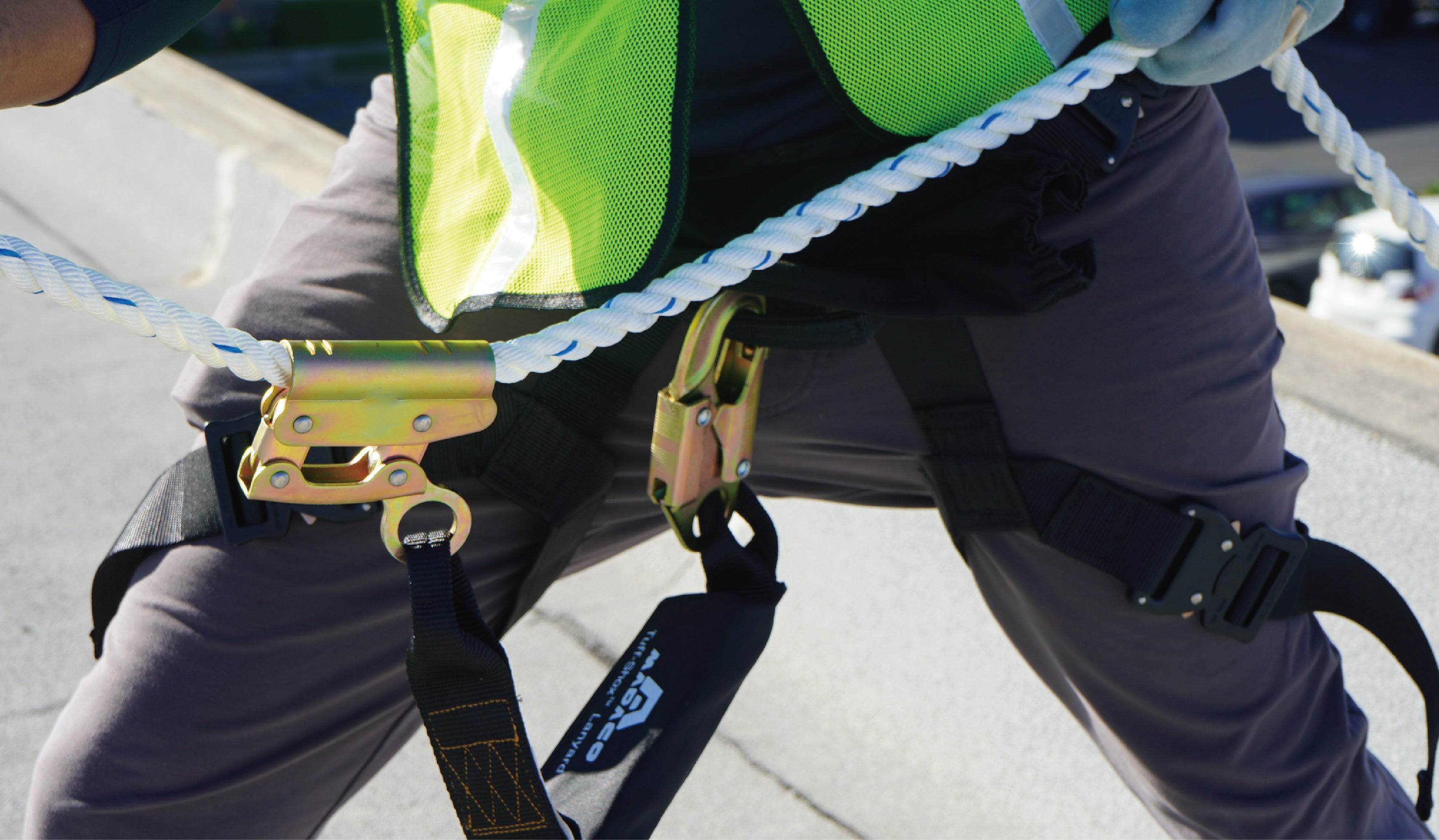
Fall hazards deserve extra attention because they can turn routine work into a life-changing incident in seconds. Shop for quick combo kit that has harness and lanyard as a set.
2. Slips, trips, and same-level falls
Not every fall happens from height. Slips and trips on the same level are also common on jobsites and can still cause sprains, fractures, back injuries, and lost work time.
Common causes include:
-
loose materials
-
cords and hoses in walkways
-
wet or muddy surfaces
-
uneven ground
-
poor housekeeping
-
poor lighting
Good housekeeping is one of the simplest and most effective ways to improve jobsite safety. Keeping access paths clear, cleaning spills quickly, and organizing materials properly can go a long way.
3. Struck-by hazards
Construction workers often operate near moving equipment, swinging loads, power tools, and falling objects. These struck-by hazards can cause severe head injuries, broken bones, crush injuries, and worse.
Examples of struck-by risks include:
-
tools dropped from above
-
materials falling from elevated work areas
-
moving vehicles and equipment
-
shifting loads
-
flying particles from cutting or grinding operations
To help reduce struck-by hazards:
-
establish exclusion zones where overhead work is happening
-
secure tools and materials when working at height
-
maintain clear communication around moving equipment
-
use high-visibility gear where appropriate
-
wear proper head protection and other task-specific PPE
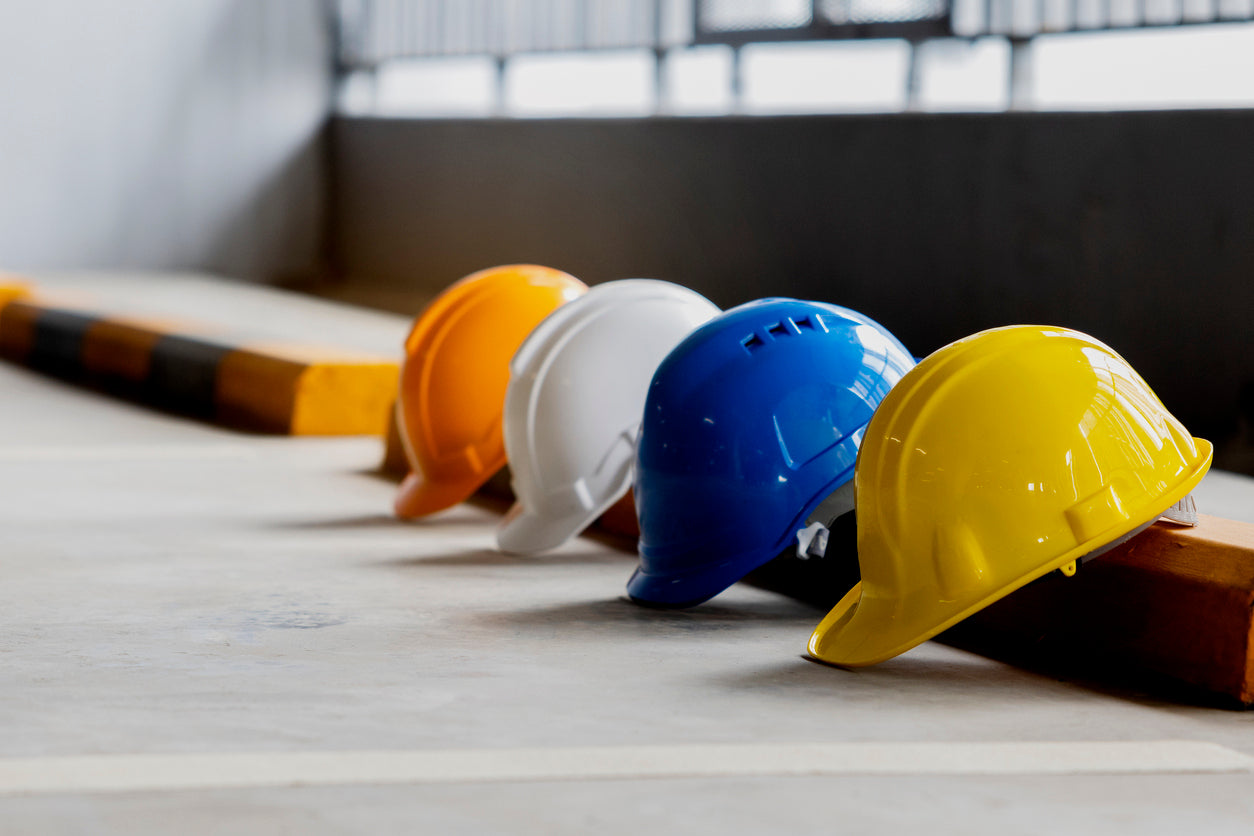
When jobsites get busy, struck-by risks can multiply fast. Clear communication and controlled work zones make a real difference. Shop for safety helmets to protect your workers here.
4. Electrical hazards
Electrical hazards are especially dangerous because they may not always be visible. Temporary wiring, damaged cords, wet conditions, and energized systems can all increase the risk of shock, burns, or electrocution.
Common electrical hazard sources include:
-
exposed wiring
-
damaged extension cords
-
overloaded circuits
-
wet work areas
-
improper grounding
-
contact with overhead power lines
To help reduce electrical risks:
-
inspect cords and tools regularly
-
remove damaged electrical equipment from service
-
keep electrical components away from water when possible
-
follow lockout and task-specific procedures where applicable
-
train workers to recognize common electrical dangers
Electrical hazards require both awareness and discipline. Small shortcuts can create major consequences.
5. Heavy equipment and vehicle hazards
Forklifts, loaders, cranes, trucks, and other jobsite vehicles are essential—but they also create serious hazards when visibility, communication, or traffic flow breaks down.
Risks may include:
-
workers being struck by moving equipment
-
backing incidents
-
blind spot exposure
-
improper loading
-
unstable ground conditions
-
equipment misuse
Helpful safety practices include:
-
separating pedestrian and vehicle paths when possible
-
using spotters when needed
-
maintaining clear hand signals or radio communication
-
inspecting equipment before operation
-
ensuring operators are properly trained
A safer jobsite is often a more organized one. Equipment movement should never feel random.
6. Improper use of tools and equipment
Hand tools and power tools may seem familiar, but familiarity can lead to shortcuts. Damaged, poorly maintained, or incorrectly used tools can cause cuts, punctures, lacerations, crush injuries, and amputations.
Tool-related risks can increase when:
-
guards are missing
-
tools are damaged
-
the wrong tool is used for the job
-
workers rush tasks
-
maintenance is inconsistent
To help reduce tool-related incidents:
-
inspect tools before use
-
follow manufacturer guidance
-
remove damaged tools from service
-
store tools properly
-
train workers on correct use and limitations
The right tool matters—but the right condition and the right training matter too.
7. PPE gaps
Personal protective equipment plays an important role in helping reduce exposure to workplace hazards. But PPE only works when it is selected properly, used consistently, and maintained correctly.
Depending on the task, PPE may include:
-
hard hats
-
gloves
-
eye protection
-
high-visibility apparel
-
protective footwear
-
hearing protection
-
fall protection equipment
Common PPE problems include:
-
poor fit
-
worn or damaged gear
-
inconsistent use
-
using equipment not suited for the task
-
lack of training on inspection and use
A strong PPE program should include:
-
task-based selection
-
pre-use inspection
-
proper storage
-
replacement when equipment is worn or damaged
-
regular reminders and reinforcement in the field
8. Poor housekeeping and site organization
A cluttered site often becomes a risky site. Disorganized staging areas, scattered tools, blocked access points, and unmanaged debris can contribute to multiple hazard types at once.
Poor housekeeping can increase the likelihood of:
-
slips and trips
-
struck-by incidents
-
delayed emergency response
-
equipment movement issues
-
material damage
Simple site organization habits can help:
-
designate storage areas
-
keep walkways clear
-
remove waste regularly
-
store materials securely
-
assign responsibility for cleanup
Housekeeping is not glamorous, but it is one of the most cost-effective safety habits on any jobsite.
9. Inadequate training and communication
Even quality equipment and good procedures can fall short if workers are unclear on hazards, responsibilities, or task expectations.
Training gaps may show up as:
-
improper equipment use
-
missed inspections
-
poor hazard recognition
-
inconsistent PPE use
-
communication breakdowns between crews
Helpful ways to improve this include:
-
regular toolbox talks
-
pre-task safety discussions
-
clear site rules
-
visible signage
-
refresher training for common hazard areas
Safety communication should be clear, repeatable, and practical. If it only lives in a binder, it is not doing much good on the jobsite.
How to build a safer construction site
No jobsite can remove every risk, but every site can improve how hazards are identified, communicated, and managed.
A practical approach includes:
-
identifying hazards before work begins
-
inspecting equipment and PPE before use
-
reinforcing housekeeping expectations
-
using the right equipment for the task
-
keeping crews informed about changing conditions
-
encouraging workers to report concerns early
The most effective safety programs are not built on posters alone. They are built through daily habits, visible leadership, and consistent follow-through.
Final thoughts
Construction site hazards come in many forms, from falls and electrical risks to struck-by incidents and PPE gaps. The good news is that many of these risks can be better managed through planning, training, inspection, and proper equipment use.
For companies focused on safer jobsites, the real opportunity is to be proactive. The more consistently hazards are addressed before work begins, the stronger the safety culture becomes.
If your team is reviewing fall protection needs or looking for dependable safety solutions, Madaco Safety Products can support your efforts with equipment designed to help crews work safer and smarter.
FAQ section
What are the most common construction site hazards?
Some of the most common construction site hazards include falls from height, slips and trips, struck-by hazards, electrical risks, moving equipment, improper tool use, and PPE gaps.
Why are falls such a major construction hazard?
Falls are a major hazard because construction work often involves roofs, ladders, scaffolds, elevated platforms, and unprotected edges. Without proper planning and equipment, a fall can lead to severe injury or death.
How can construction crews help reduce jobsite hazards?
Crews can help reduce hazards by performing inspections, keeping work areas clean, using appropriate PPE, following task-specific safety procedures, and communicating clearly about changing site conditions.
What role does PPE play in construction safety?
PPE helps reduce exposure to specific hazards when selected properly, worn consistently, and inspected regularly. It should support—not replace—safe planning, training, and hazard control.
Why is housekeeping important on a construction site?
Good housekeeping helps reduce slips, trips, struck-by risks, blocked access points, and general confusion on the jobsite. A cleaner site is usually a safer site.